Choosing the right window material isn’t just about looks. It affects energy efficiency, maintenance, long-term cost and how your home handles harsh weather conditions.
In the uPVC vs timber debate, both materials have strengths. But for many Australian homeowners, performance and practicality matter just as much as aesthetic appeal.
Let’s break it down clearly.
Key Takeaways
- uPVC windows offer superior insulation properties and excellent thermal insulation compared to many timber windows.
- Timber windows bring warmth and classic charm, but they require ongoing maintenance and protection from weather elements.
- uPVC frames are a low maintenance option that typically need only occasional cleaning.
- Double glazed windows in either material improve energy efficiency, but upvc double glazed windows often deliver better cost effectiveness long term.
- The best windows for your home depend on climate, architectural styles and budget priorities.
uPVC vs Timber: What’s the Core Difference?
The key difference between timber and upvc comes down to performance vs tradition.
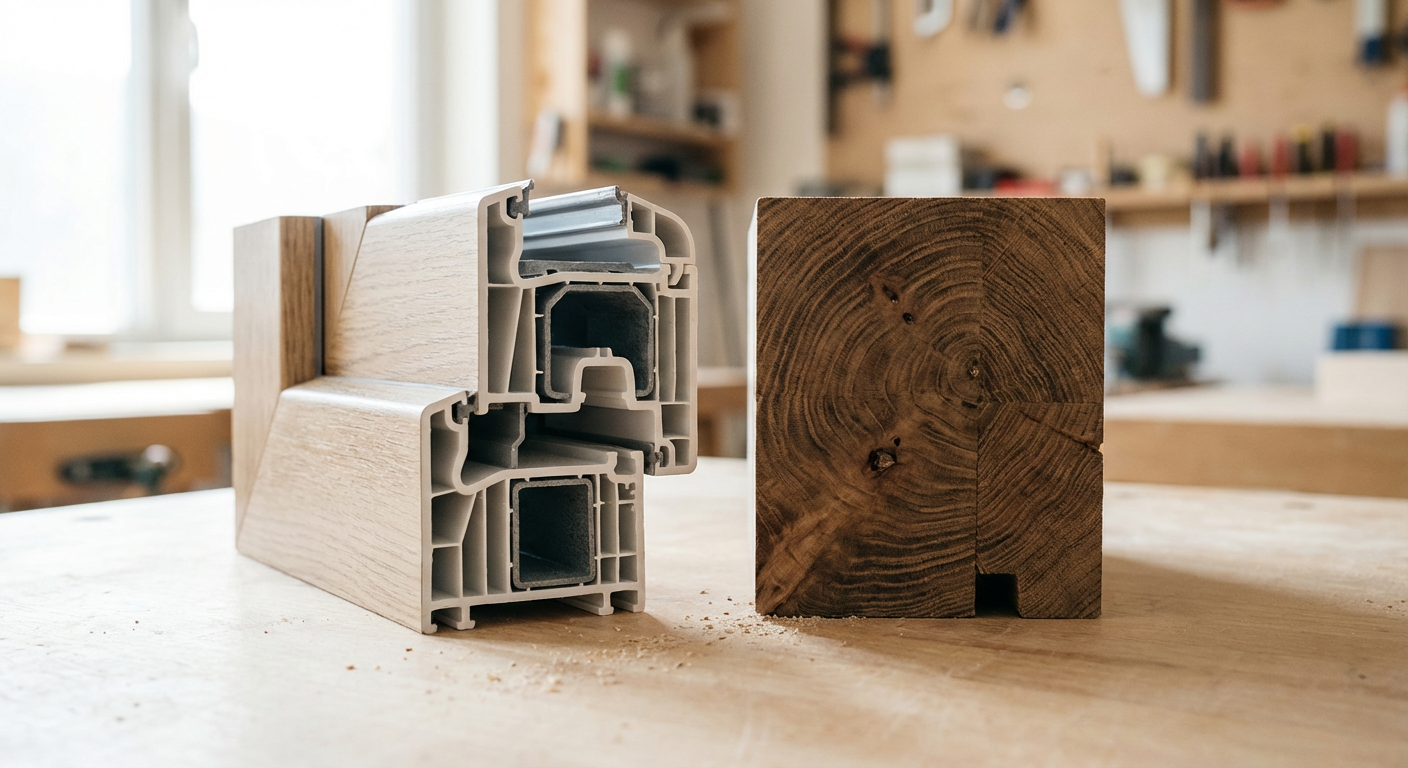
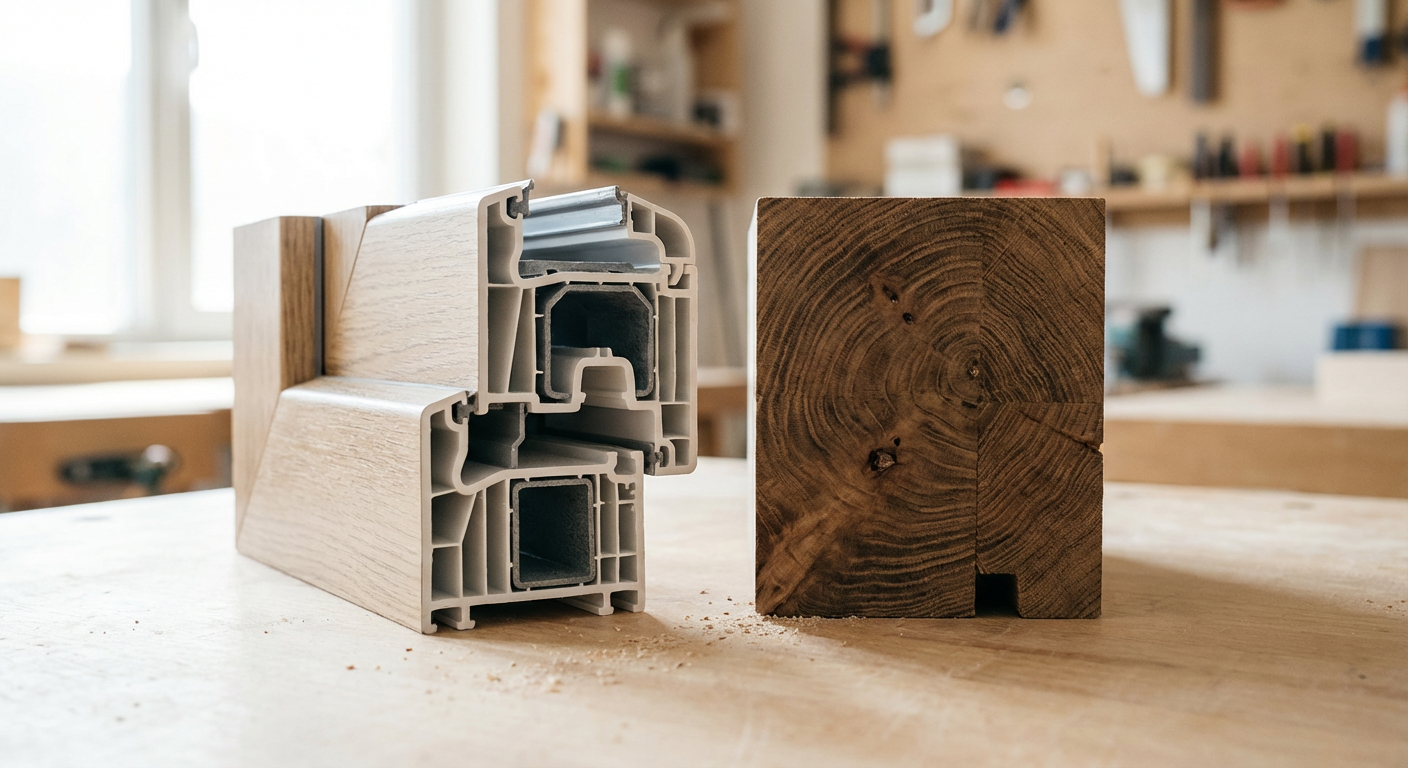
Timber windows are made from a renewable resource and offer natural beauty. uPVC windows are manufactured from unplasticised polyvinyl chloride, a durable engineered material designed for modern performance.
Both can be double glazed, and understanding how double glazing works and its key benefits helps clarify performance differences. Both suit various architectural styles. But they behave very differently in Australian conditions.
Energy Efficiency: Which Performs Better?
Energy efficiency is where the comparison becomes clear.
uPVC Windows and Thermal Performance
uPVC frames are naturally insulating. The material has low thermal conductivity, which helps in reducing heat transfer through window frames.
Modern upvc windows often include multi-chambered profiles that trap air, creating superior insulation. When paired with double glazed windows, the result is:
- Lower energy consumption
- Reduced heat loss in winter
- Better protection from direct sunlight
- Lower energy bills
Upvc double glazed windows are widely considered an energy efficient option for homes in hot and mixed climates because of the science behind their insulating performance..
Timber Windows and Insulation
Timber frames also provide natural insulation. Solid timber window frames perform better than standard aluminium frames when it comes to heat transfer.
However, timber windows require proper sealing and ongoing maintenance to maintain energy efficiency. If timber frames warp or crack, gaps can develop that impact performance.
In a straight timber vs upvc comparison, high-quality upvc double glazed units generally deliver more consistent long-term energy efficiency..
Maintenance: Low Maintenance vs Ongoing Care
Maintenance is one of the biggest decision factors.
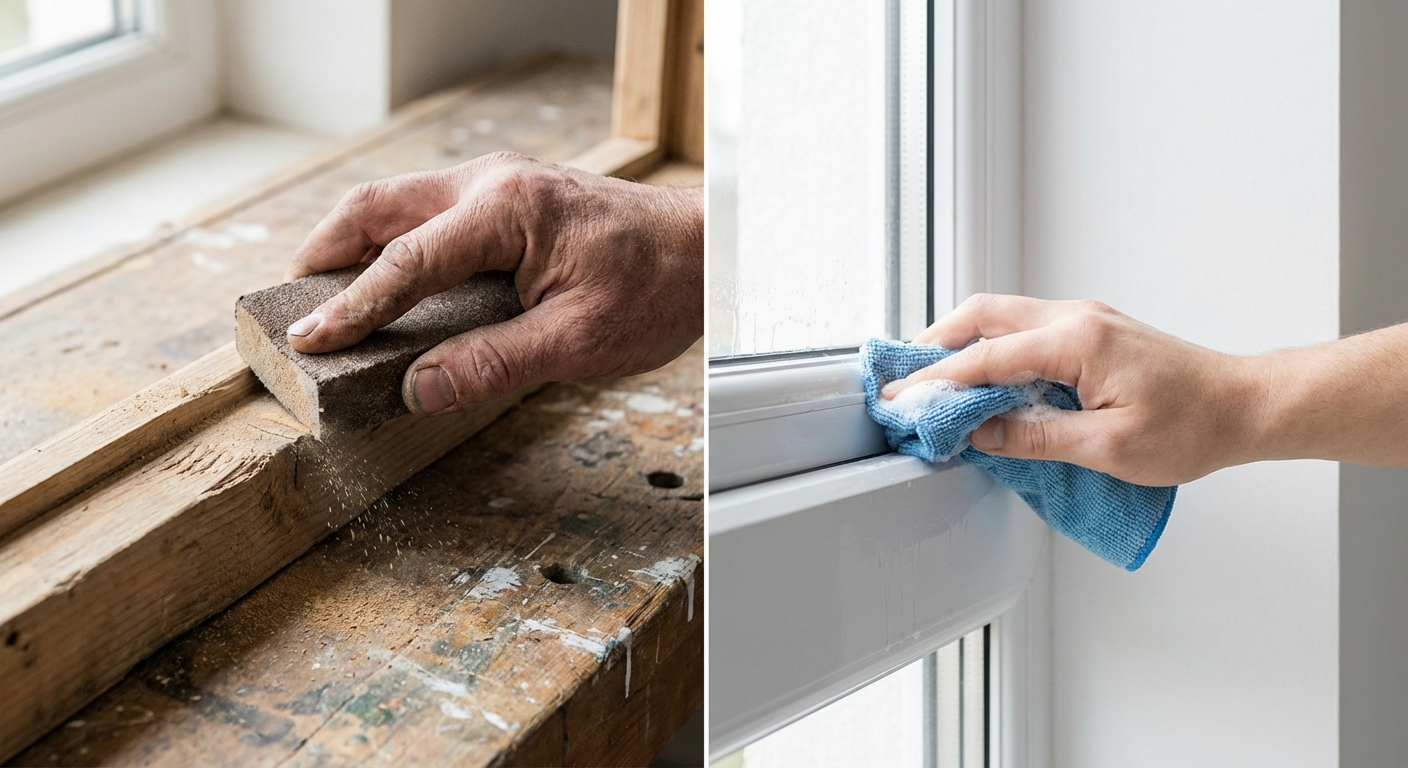
Timber Windows Require Ongoing Maintenance
Timber windows require:
- Repainting or resealing
- Protection with wood preservatives
- Monitoring for moisture damage
- Repairs due to weather elements
Without regular care, timber frames can rot, swell or crack. Direct sunlight can cause fading or splitting over time.
This adds labour, cost and environmental implications through repeated treatment products.
uPVC: A Low Maintenance Option
Unlike timber, uPVC frames do not require repainting or sealing.
They typically need:
- Only occasional cleaning
- A wipe with mild detergent
- Minimal upkeep
This makes uPVC windows a low maintenance option ideal for busy households.
For homeowners comparing timber vs upvc windows, maintenance alone is often decisive.
Durability in Harsh Weather Conditions
Australia’s climate is demanding. Windows must withstand harsh weather conditions, from strong sun to heavy rain.
Timber Frames in Weather
Timber frames can perform well when properly maintained. However, exposure to moisture and heat cycling can affect structural stability.
Over time, timber windows require more attention to maintain durability.
uPVC Frames and Weather Resistance
uPVC frames are engineered to withstand harsh weather conditions without corroding or rotting.
They resist:
- Direct sunlight
- Moisture
- Temperature fluctuations
This makes uPVC windows designed for Perth conditions a durable option in many regions..
Compared with aluminium framed windows or aluminium windows with powder coated finishes, uPVC offers excellent resistance without risk of corrosion like aluminium frames.

Aesthetic Appeal and Design Flexibility
Performance matters, but so does style.
Timber Windows: Classic Charm
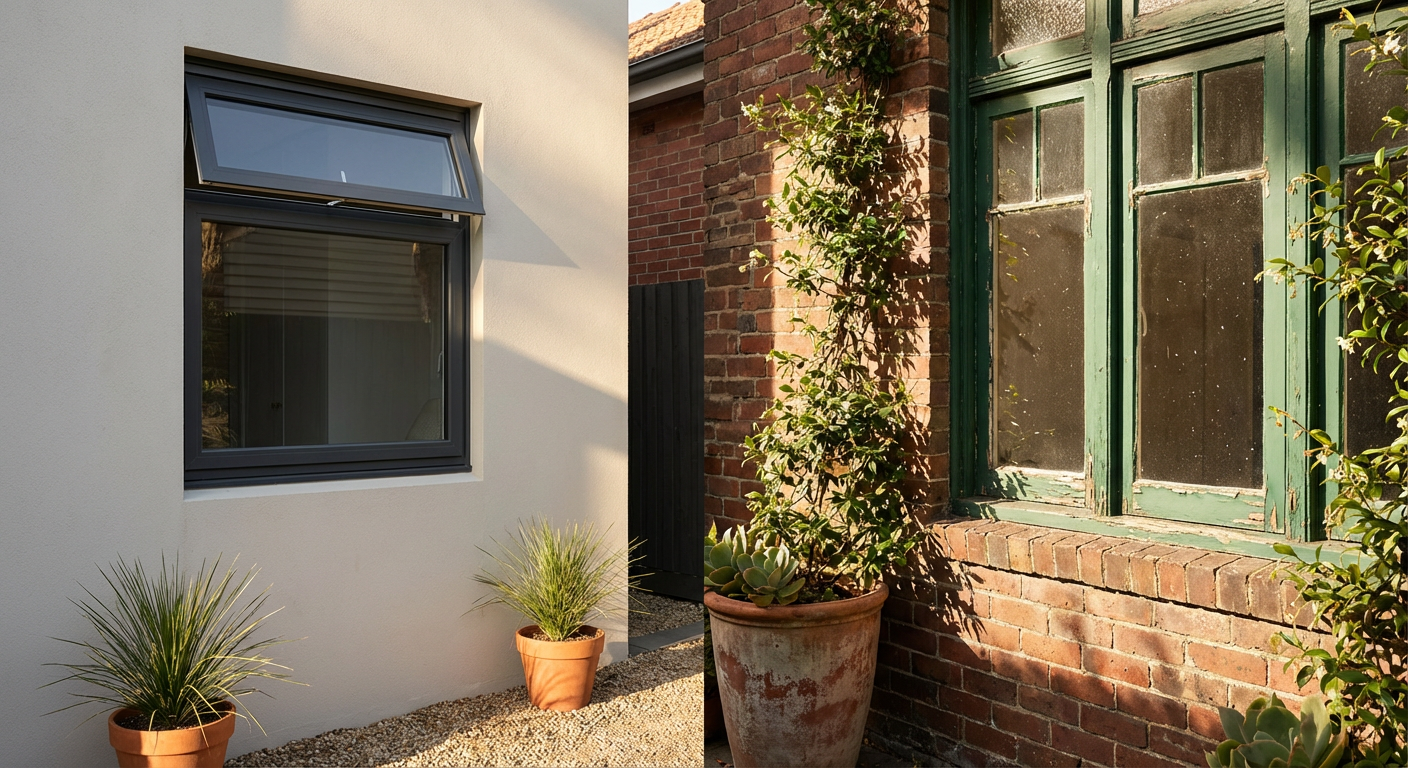
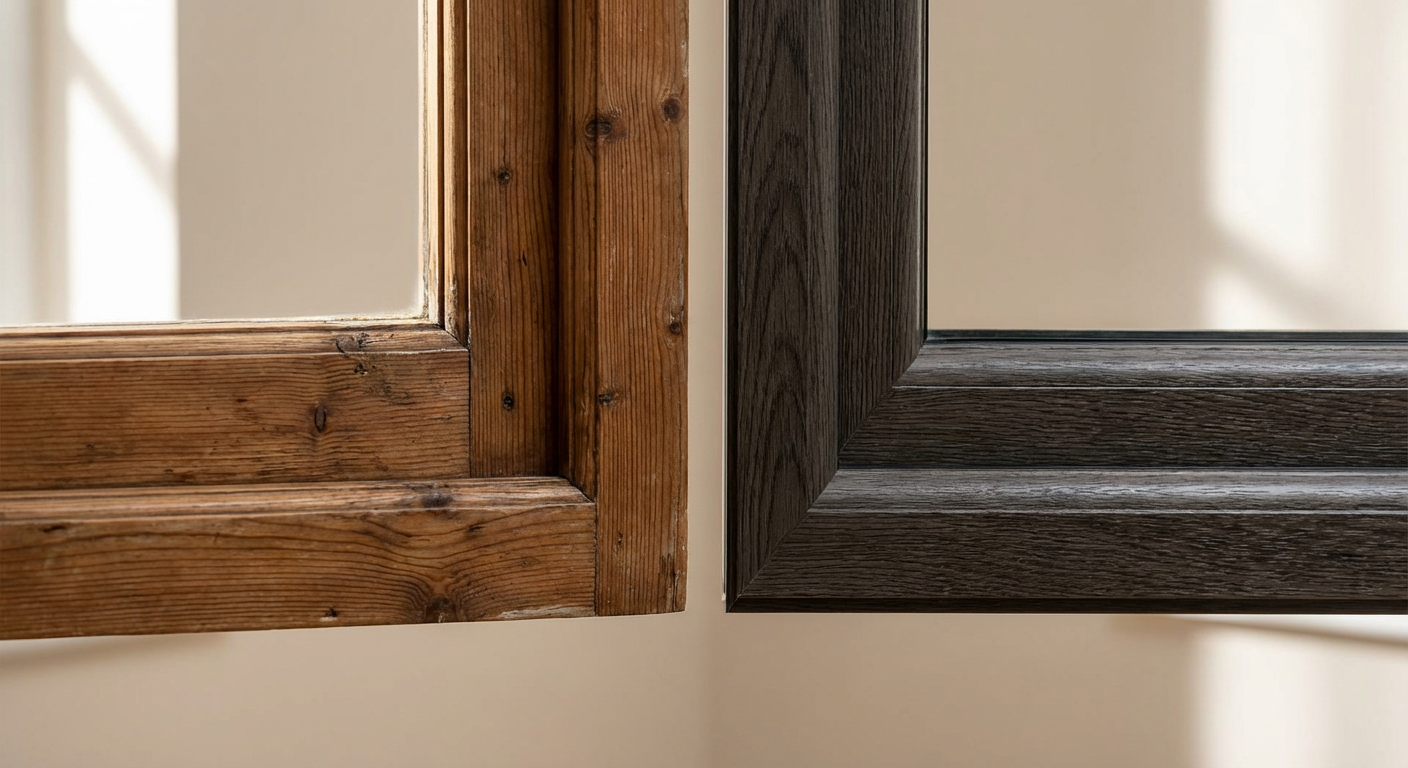
Timber windows bring warmth and natural beauty that many homeowners love. They suit traditional homes, heritage properties and classic architectural styles.
Their aesthetic appeal is difficult to replicate fully with other materials.
uPVC Windows: Modern Appeal
Modern upvc windows offer clean lines and modern aesthetics. They work particularly well in contemporary architecture.
They are available in various finishes, including timber-look options, and support modern double glazed window and door design trends such as larger panes and slim sightlines..
In terms of window material choice, aesthetics often come down to personal taste.
Comparing with Aluminium Windows
While this article focuses on timber and upvc, many homeowners also compare aluminium windows.
Standard aluminium frames conduct heat more readily. Thermally broken aluminium frames or thermally broken frames improve performance by reducing heat transfer.
However, aluminium framed windows typically don’t match the superior insulation of uPVC frames unless upgraded significantly — often at a higher cost, especially when you understand the energy efficiency science behind double glazed windows..
In aluminium vs upvc comparisons, uPVC often wins on energy efficiency. In timber vs aluminium, timber may offer better natural insulation but still requires more maintenance.
Cost Effectiveness and Long-Term Value
Initial cost can vary.
Timber windows often come with a higher cost due to material and craftsmanship. They also involve ongoing maintenance expenses.
uPVC windows are typically a cost effective solution over time because, as seen when replacing old windows with modern double glazing::
- They require minimal maintenance
- They support strong energy efficiency
- They reduce energy bills
- They improve cost effectiveness long term
For many Australian homeowners, uPVC offers a more predictable long-term investment.
Environmental Impact: Timber and uPVC Compared
Timber is a renewable resource, which appeals to environmentally conscious buyers. However, treatments, paints and wood preservatives add environmental impact over time.
uPVC production has its own environmental implications, but modern manufacturing has reduced carbon footprint significantly. Additionally, lower energy consumption in energy efficient, double glazed Perth homes can offset material impacts over the lifespan of the windows..
Choosing the most sustainable choice depends on sourcing, maintenance practices and lifespan.
Security and Modern Features
Modern upvc double glazed systems often include advanced locking systems and multi-point security hardware while also helping to reduce condensation on glass and window frames..
Both timber and upvc can be configured as casement windows, sliding windows or larger windows with larger panes.
The difference lies less in format and more in long-term stability and minimal upkeep.
Timber vs uPVC: Which Is Best for You?
Choose timber windows if you prioritise:
- Natural beauty
- Classic charm
- Traditional architectural styles
- Heritage authenticity
Choose uPVC windows if you prioritise:
- Energy efficiency
- Excellent thermal insulation
- Low maintenance
- Cost effective solution
- Modern appearance
- Noise reduction
- Long-term durability
When comparing vs upvc, timber offers emotional appeal. When comparing performance and practicality, uPVC windows often lead.
Final Verdict: Timber vs uPVC Windows
In the timber vs upvc discussion, there is no universal winner — only the best choice for your needs.
Timber windows bring warmth and aesthetic appeal, but they require ongoing maintenance and come at a higher cost over time.
uPVC windows offer superior insulation properties, minimal maintenance and strong energy efficiency. They are a durable option built for modern Australian homes and contemporary architecture.
For homeowners seeking the best windows in terms of performance, reliability and long-term cost effectiveness, uPVC frames paired with double glazed technology remain one of the most energy efficient and practical solutions available, especially when you compare double versus triple glazed window options..
If you’re weighing up your options, consider booking a free measure to compare timber and upvc solutions side by side and determine which window material aligns with your home and lifestyle.