Double glazing is a window made with two panes of glass separated by a sealed gap of air or argon gas. The trapped gas conducts heat far less readily than glass, so it slows the heat moving into a room in summer and out of it in winter. Add a low-E coating and an insulated frame, and the same window also cuts the sun’s radiant heat, outside noise and condensation.
This guide explains the five parts of a double glazed window and the physics behind each one. It covers how double glazing keeps a Perth home cooler in summer and warmer in winter, and the other benefits it brings. It also compares single and double glazing, explains why the frame matters and shows how to tell whether your windows are already double glazed.
What Is Double Glazing?
Double glazing is a window or door that uses two panes of glass instead of one, with a sealed space between them. The two panes, the gap and the edge seal are made as one factory-built piece called an insulated glass unit (IGU). The unit then sits in a frame like any other pane of glass. The sealed gap is what makes the difference, because it puts a layer of still gas between the room and the outside air.
Figures from the Nationwide House Energy Rating Scheme show how much that second pane changes. Its factsheet on windows in NatHERS lists a single glazed aluminium window at a U-value of 6.7 and the same window double glazed at 4.8. A U-value measures how easily non-solar heat passes through a window, so a lower number means better insulation. In a timber frame the drop is larger still, from 5.4 for single glazing to 3.0 for double glazing, which is about 44% less heat flow.
That second pane is only one part of the story. Each part of the unit, from the gas to the edge seal, plays its own role in keeping heat where you want it.
The Five Parts of a Double Glazed Window
A double glazed window is built from five parts that work as one system. If any one of them is poorly made, the whole window performs worse. These are the five parts and what each one does.
1. The Glass Panes
Most double glazed units use two panes of 4 mm to 6 mm glass. The panes can be clear, tinted, toughened or laminated, depending on where the window goes. Toughened glass is heat-treated so it breaks into small, blunt pieces, while laminated glass has a plastic layer that holds it together if broken. Either pane can also carry a low-E coating, a thin metal oxide layer that reflects heat.
2. The Cavity and Gas Fill
The cavity is the sealed gap between the panes, typically 6 mm to 18 mm wide. It is filled with dry air or with argon, an inert gas that occurs naturally in the air we breathe. Argon conducts heat about 39% less readily than air, so an argon fill improves insulation without making the unit any thicker. Argon is colourless, odourless and non-toxic, so it poses no risk if a unit is ever broken.
3. The Spacer Bar and Desiccant
The spacer bar runs around the edge of the unit and holds the two panes a set distance apart. Inside the spacer sits a desiccant, which is a drying agent such as silica beads that absorbs moisture trapped during manufacture. The desiccant keeps the gas dry so it never fogs up inside the unit. Warm-edge spacers use less conductive materials than aluminium, which reduces heat loss and condensation around the edge of the glass.
4. The Edge Seals
Two layers of sealant lock the gas in and keep moisture out. The primary seal, usually polyisobutylene, sits against the spacer and blocks water vapour. The secondary seal, usually silicone or polysulfide, wraps around the outside edge and holds the unit together. If these seals fail, moisture gets in and the glass fogs between the panes.
5. The Frame
The frame holds the unit, carries the locks and seals the window to the wall. It also forms a large share of the window’s total area, so the frame material changes how much heat the whole window lets through. uPVC (unplasticised polyvinyl chloride) is a rigid plastic and is a popular frame for double glazing because it insulates well and needs little maintenance.
Together these parts create a barrier that heat struggles to cross. How well it holds depends on how each part handles the three different ways heat moves through a window.
How Double Glazing Stops Heat Moving Through a Window
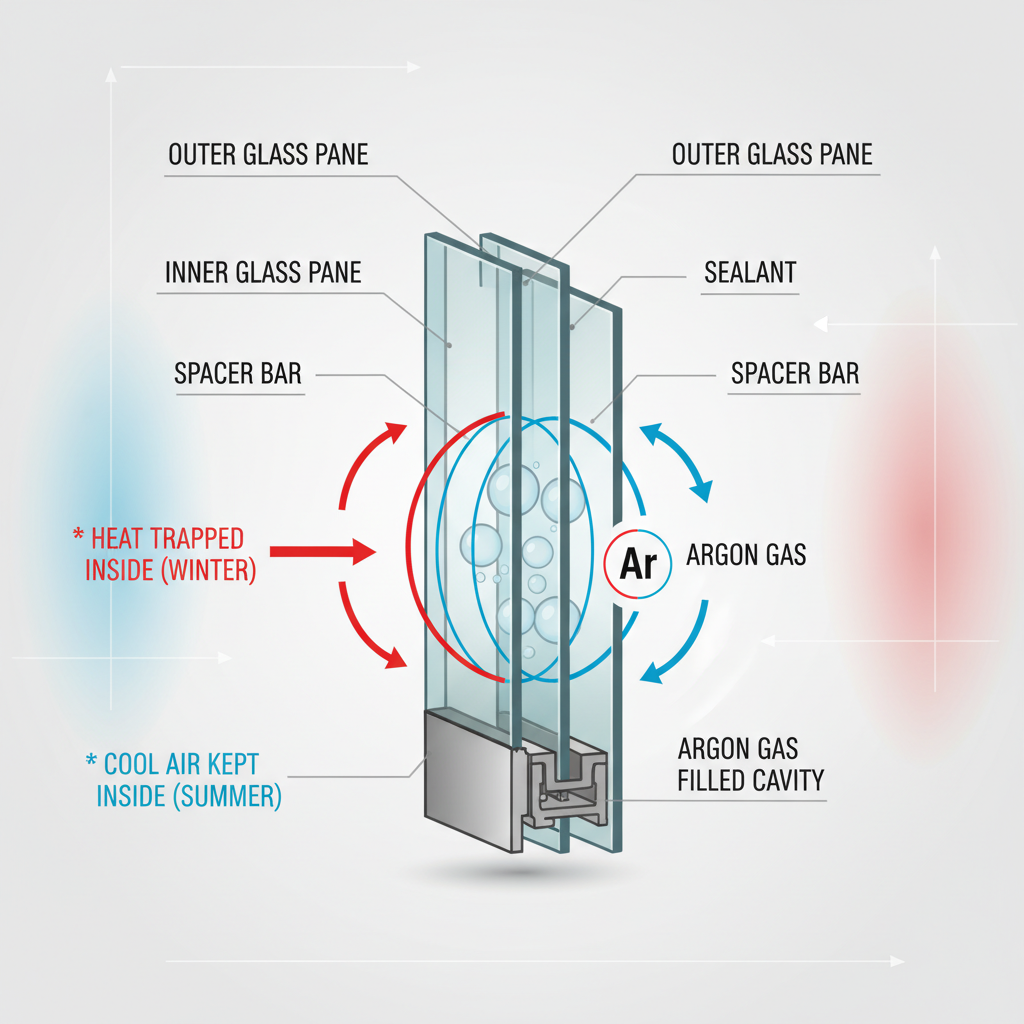
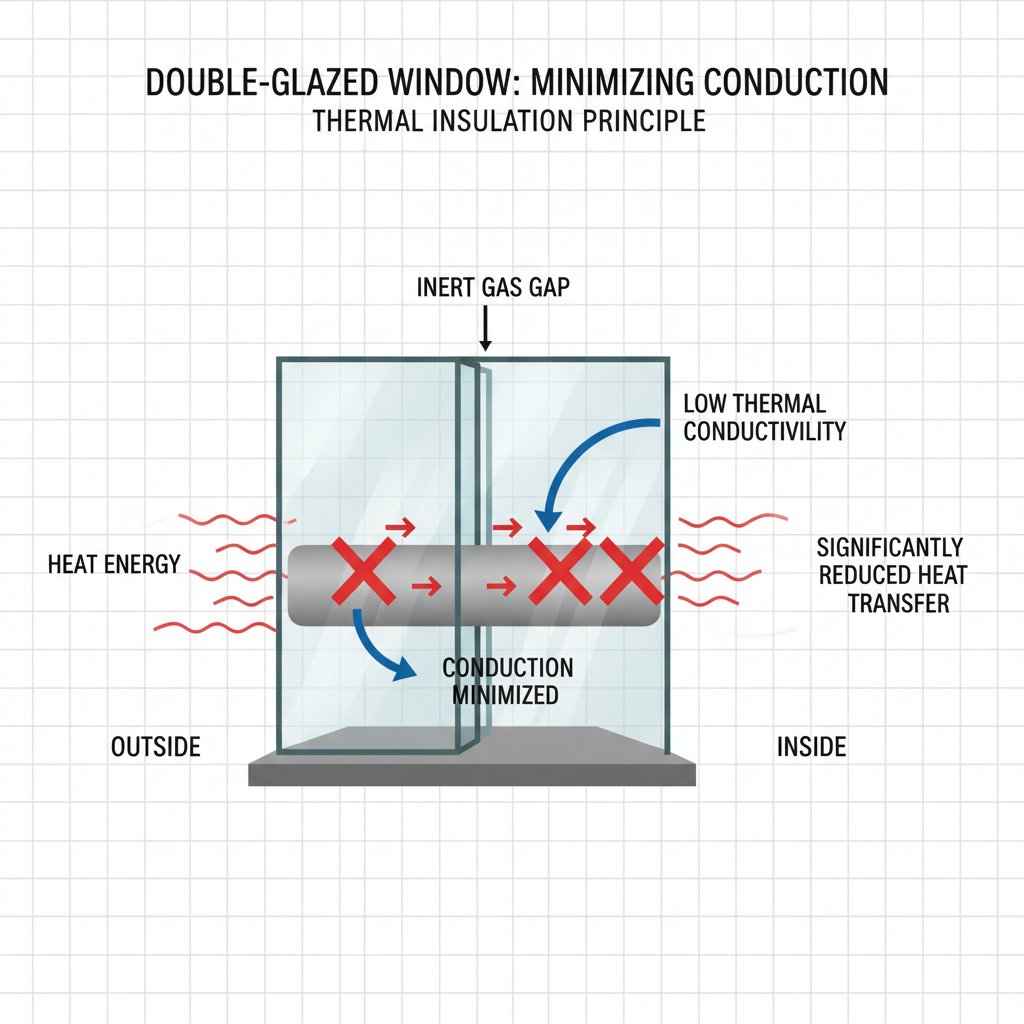
Double glazing works by slowing all three ways heat travels, which are conduction, convection and radiation. A single pane does little against any of them, while a well-made double glazed unit tackles each one with a different part. These are the three heat paths and how double glazing deals with each.
Conduction Through the Glass and Gas
Conduction is heat passing directly through a material, from the warm side to the cool side. Glass conducts heat at about 0.96 W/m·K, while still air conducts at about 0.026 W/m·K and argon at about 0.016 W/m·K. Putting a layer of gas between two panes therefore adds a strong insulating layer that a single pane does not have. This is the main reason a double glazed window feels closer to room temperature on a hot or cold day.
Convection Inside the Cavity
Convection is heat carried by moving air or gas. If the cavity is too wide, the gas starts to circulate in a loop, picking up heat from the warm pane and dropping it on the cool pane. That is why wider is not always better. YourHome lists 12 mm as the generally preferred gap, and insulation tends to stop improving once a cavity passes roughly 16 mm to 19 mm. Argon is heavier than air, so it circulates more slowly and loses less heat through convection.
Radiation From the Sun and Warm Surfaces
Radiation is heat travelling as infrared energy, the way the sun warms your skin or a hot wall warms a room. Clear glass lets much of this energy straight through. Low-E coatings reflect long-wave infrared heat while still letting visible light pass, so they reduce radiant heat moving through the window. The coating’s position in the unit decides whether it mainly keeps summer heat out or winter warmth in.
All three heat paths are working at once on a hot afternoon. In a city with long, harsh summers, the way a window handles them decides how hard the air conditioner has to work.
How Double Glazing Keeps Your Home Cooler in Summer
Double glazing keeps a home cooler in summer by slowing the heat from hot outside air and, when the glass is specified correctly, cutting the sun’s radiant heat. The gas-filled cavity limits how much heat conducts through from a 40°C afternoon. A low-E or tinted pane then reflects or absorbs part of the solar heat before it reaches the room. The inside pane stays cooler as a result, so the area next to the window no longer radiates heat across the room.
The YourHome glazing guide estimates that up to 87% of a home’s heat gain comes through its windows, and says that in warm, cooling-dominated climates the solar heat gain coefficient (SHGC) matters more than the U-value. SHGC is a number between 0 and 1 that measures how much of the sun’s heat passes through, and lower is cooler. The NatHERS factsheet shows why the glass choice matters. Plain double glazing in an aluminium frame only lowers SHGC from 0.57 to 0.51, so clear double glazing alone does little against direct sun. That matters in Perth, which averaged 26.4 days a year above 35°C between 1994 and 2022, according to the Australia Institute.
The best summer result comes from pairing double glazing with low-E or solar-control glass on the east and west windows that take the harshest sun. Canon Double Glazing customers typically report 20% to 35% lower summer cooling costs after switching, and the guide on whether double glazing is worth it in Perth sets out the costs against the savings. The same unit that keeps summer heat out also works in reverse once the nights turn cold.
How Double Glazing Keeps Warmth In During Winter
Double glazing keeps a home warmer in winter by stopping heated air from losing its warmth through the glass. With a single pane, the inside surface gets almost as cold as the outside air, and the room loses heat to it constantly. A double glazed unit keeps the inside pane much closer to room temperature. That also stops the cold downdraught people feel when sitting next to an old window on a winter night.
Guidance from YourHome estimates that up to 40% of a home’s heating energy can be lost through its windows, and gives a worked example of the scale. In its example, 70 m² of aluminium-framed clear glass with a U-value of 6.2 loses about 6,510 W of heat when it is 15°C colder outside than inside. Halving the U-value by choosing double glazing avoids roughly 3,000 W of that loss. For a Perth home, the winter saving is smaller than the summer one, but it shows up as warmer rooms on cold mornings in the Hills and inland suburbs.
A warmer inside pane does more than save energy. It also changes what happens to the moisture in the air on those cold mornings.
Other Benefits of Double Glazing
Double glazing brings benefits beyond heating and cooling, including less condensation, quieter rooms, less fading and better security. Each one comes from the same sealed unit, though some depend on the type of glass chosen. These are the other benefits homeowners notice.
Less Condensation and Mould
Condensation forms when warm, moist indoor air touches a surface cold enough to turn the moisture into droplets. Because double glazing keeps the inner pane warmer, far less water forms on the glass. YourHome notes that energy-efficient glazing keeps glass surfaces closer to room temperature, which reduces both condensation and mould. Good ventilation still matters, because no window removes moisture from the air.
Quieter Rooms
Sealed double glazing is good at reducing medium and high-pitched sounds such as voices, dogs and lawnmowers. Low-pitched noise such as trucks and aircraft is harder to stop. YourHome says thicker glass or a much larger air gap works best against low frequencies. Laminated glass, or two panes of different thicknesses, also helps because the panes do not vibrate at the same pitch.
Less Fading of Floors and Furniture
Sunlight fades timber floors, rugs and upholstery over time. YourHome explains that ultraviolet, violet and blue light cause most of this fading. Glazing with the right coatings or laminated interlayers blocks part of these wavelengths, which slows fading but does not stop it completely. Blinds and external shading on sun-exposed windows add further protection.
Better Security
Two panes take more time and noise to break through than one, which helps deter opportunistic break-ins. Toughened or laminated glass adds further strength, and laminated glass stays in the frame even when cracked. Most modern double glazed windows also come with multi-point locks that secure the sash at several points rather than one.
All of these benefits depend on the unit staying sealed and well supported. That job falls to the part of the window most people barely notice.
Why the Frame Matters as Much as the Glass
The frame decides how much of the glass’s performance the whole window keeps. A double glazed unit can be excellent on its own, but a frame that conducts heat freely creates a bypass around it. Aluminium is a strong conductor, so an aluminium frame without a thermal break passes heat straight between the outside and the inside face. Timber and uPVC frames insulate far better, which lets the glass do its job.
The NatHERS factsheet shows the effect clearly. The same air-filled double glazed unit rates a U-value of 4.8 in a standard aluminium frame, 3.6 in a thermally broken aluminium frame and 3.0 in a timber frame. A thermal break is a strip of low-conducting material that separates the inside and outside of a metal frame. Engineering ToolBox data puts common aluminium alloys at 150 to 190 W/m·K against about 0.19 W/m·K for PVC, so aluminium conducts heat roughly 800 to 1,000 times more readily.
That is why double glazing is usually paired with insulated frames such as uPVC windows, which keep heat from bypassing the glass. Put the right glass in the right frame, and the gap between a new window and an old single glazed one becomes very clear.
Single Glazing vs Double Glazing Compared
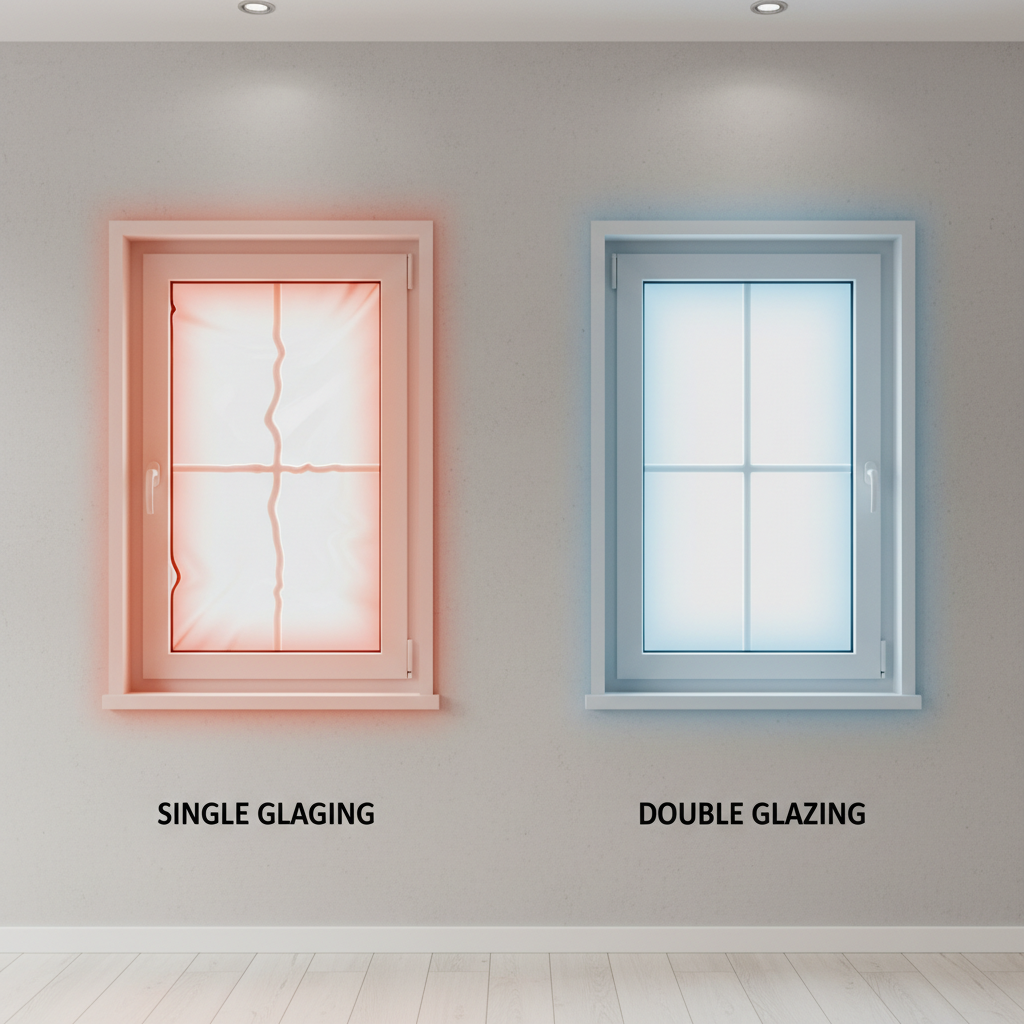
Double glazing outperforms single glazing on heat, comfort, noise and condensation, while single glazing wins only on upfront price. The table below compares the two using NatHERS default values for timber-framed windows with clear glass, alongside the everyday differences you would notice at home.
| Feature | Single glazing | Double glazing |
|---|---|---|
| Panes of glass | One | Two, with a sealed gap |
| U-value (timber frame, clear glass) | 5.4 | 3.0 air-filled, 2.6 argon-filled |
| Summer comfort | Inside pane gets hot | Inside pane stays cooler |
| Winter comfort | Cold surface and downdraughts | Warmer surface, fewer draughts |
| Condensation | Common on cold mornings | Much less on the glass |
| Noise | Little reduction | Noticeably quieter, more with laminated glass |
| Upfront cost | Lower | Higher |
The running cost is where double glazing claws back its higher price. YourHome reports that energy-efficient windows can reduce peak cooling loads enough to cut the size of air conditioner a home needs by around 30%. The NatHERS figures also show that argon fill lowers a timber-framed unit’s U-value from 3.0 to 2.6, a further 13% improvement for little extra cost. The full comparison of single glazed vs double glazed windows goes deeper into costs and use cases. Before weighing up an upgrade, though, it helps to know what is already in your frames.
How to Tell if Your Windows Are Double Glazed
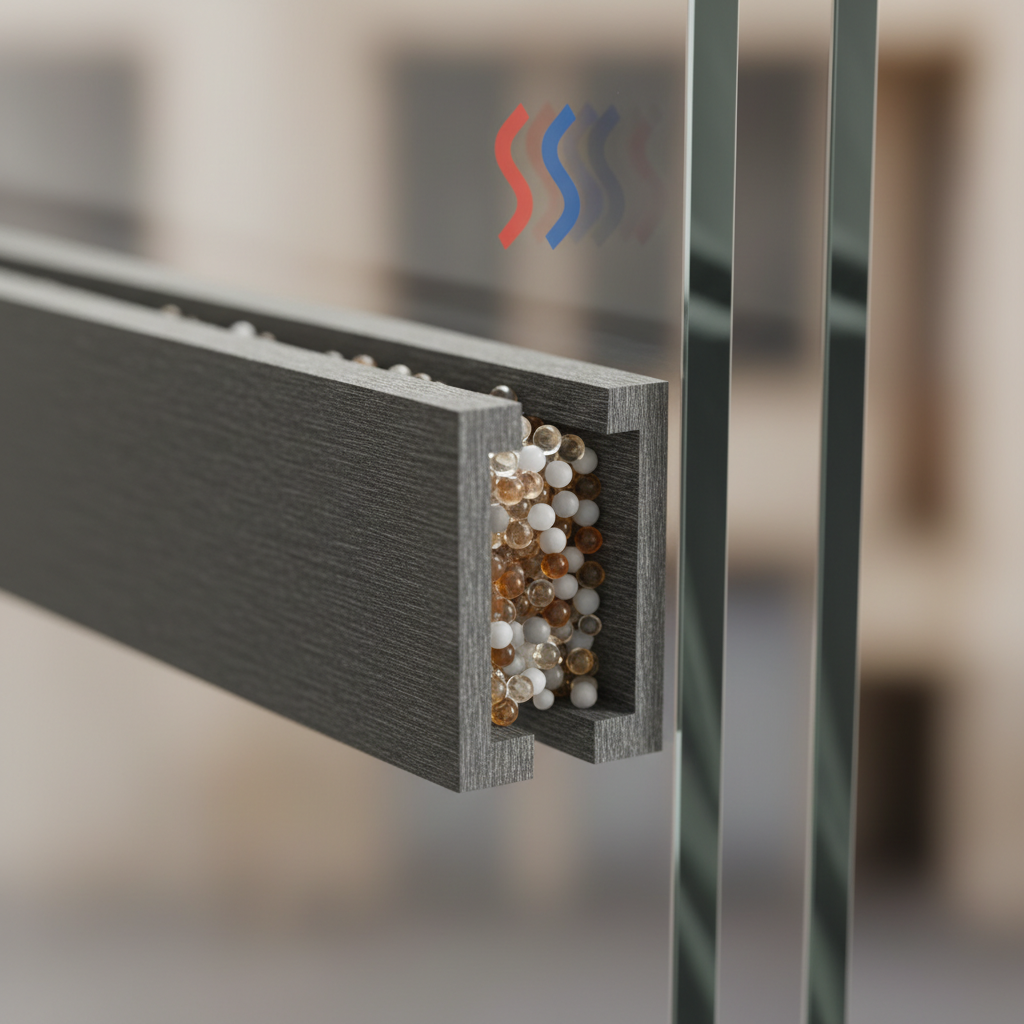
You can usually tell whether a window is double glazed in under a minute without any tools. Most of the checks rely on spotting the second pane or the spacer bar between them. Try these steps on each window.
- Look at the edge of the glass. A double glazed unit has a metal or plastic spacer bar running around the inside edge between the panes.
- Do the reflection test. Hold a torch or lit match near the glass. Two panes show four reflections, while a single pane shows only two.
- Check for a stamp. Many units have a manufacturer’s code printed on the spacer bar or etched in a corner of the glass.
- Compare the thickness. A sealed unit is usually 18 mm to 28 mm thick, far thicker than a single 3 mm to 6 mm pane.
If the windows are already double glazed, it is worth checking that the units are still working. Insulated glass units typically last 10 to 25 years, and published data on insulated glazing notes that fogging between the panes means the edge seal has failed and the desiccant is saturated. In a standard unit, replacing the glass unit is generally the only fix. If your windows turn out to be single glazed, the guide on how to replace single glazing with double glazing explains the options for an upgrade.
Frequently Asked Questions About Double Glazing
These are the questions Perth homeowners ask most often about how double glazing works.
Is argon gas in double glazing safe?
Yes. Argon is an inert gas that makes up nearly 1% of the air we breathe. It is colourless, odourless and non-toxic, and it does not react with the glass or seals. If a unit breaks, the small amount of argon simply mixes into the room air.
Can double glazing make a house hotter in summer?
It can if the home is closed up after heat has built up inside. Double glazing slows heat moving in both directions, so heat that gets in through open doors or unshaded glass can take longer to escape. Shading west-facing glass, choosing low-E or tinted glass and opening up when the evening sea breeze arrives avoid this problem.
What are the downsides of double glazing?
The main downside is the higher upfront cost compared with single glazing. Units are heavier, so frames and hardware must be built to carry them. A unit whose seal fails will fog between the panes and generally needs replacing, which is why quality manufacturing matters.
Why is double glazing not more common in Australia?
Much of Australia has a mild climate compared with northern Europe, so single glazing was long seen as good enough. Cheap aluminium windows also became standard in post-war housing. Tougher energy rules for new homes and rising power prices have since made double glazing far more common, particularly in Perth’s hot summers.
Is triple glazing better than double glazing?
Triple glazing adds a third pane and a second cavity, which lowers the U-value further. It is common in very cold countries, but in Perth’s climate the extra cost rarely pays back. Well-specified double glazing with low-E glass in an insulated frame suits most Perth homes.
How long does double glazing last?
A well-made insulated glass unit typically lasts 10 to 25 years before its seals may begin to fail, and many last longer. uPVC frames last for decades with only occasional cleaning. Windows facing harsh afternoon sun can age faster, so quality sealants and warranties matter.
Does double glazing block UV rays?
Clear double glazing blocks some UV, and laminated glass or low-E coatings block a great deal more. No standard glazing stops fading completely, because visible violet and blue light also contribute. Combining good glazing with blinds or external shading gives the best protection for floors and furniture.
How Double Glazing Works for Your Perth Home
Double glazing works by trapping a sealed layer of gas between two panes, then backing it up with low-E glass, a dry spacer and an insulated frame. Together those parts slow conduction, convection and radiation, which keeps summer heat out and winter warmth in. You can keep living with single glazing, upgrade the glass in the hottest rooms first or replace every window at once. Single glazing leaves the inside pane hot in summer, cold in winter and wet on cold mornings. In a city that already averages more than 26 days above 35°C a year, that heat costs money every summer.
Canon Double Glazing manufactures and installs uPVC double glazed windows and doors in-house across Perth, with argon-filled sealed units and steel-reinforced frames. You can book a free measure and quote or call (08) 9249 9974 to find the right glass and frame for each window in your home.