Key Takeaways
- Yes, you can double glaze existing windows in three ways: retrofitting a sealed double glazed unit into your current frame, adding a secondary glazing panel over the inside of the existing window, or replacing the whole window with a purpose-built double glazed unit.
- Retrofit and secondary glazing are cheaper up front, but they keep the original frame, so they only solve half the problem in most Perth homes, where the frame itself is the weak link.
- Older aluminium frames conduct heat around 1,000 times more readily than uPVC and corrode in Perth’s coastal salt air, which is why glass-only upgrades on aluminium tend to disappoint.
- Timber and character-home frames are the best candidates for retrofit when the joinery is still sound and you want to preserve the original look.
- Full uPVC replacement is the durable long-term option: new insulated frames, argon-filled toughened sealed units, multi-point locking and fresh seals all at once, with Perth customers typically reporting 20 to 35 percent lower summer cooling costs.
- Canon manufactures and installs uPVC double glazed windows in-house in Perth, with a 6 to 8 week lead time from final measure, interest-free finance and warranty on frames, hardware and sealed units.
Can You Double Glaze Existing Windows? The Three Real Options
When people say “double glaze my existing windows,” they are usually picturing one job, but installers offer three. Each works differently, costs differently, and suits a different kind of home and frame.1. Retrofitting a double glazed unit into your existing frame
This means taking out the single pane of glass and fitting a sealed double glazed unit, also called an insulated glass unit or IGU, back into the same frame. The frame stays; only the glass changes. It works when the existing frame is deep enough and strong enough to carry the extra weight and thickness of a sealed unit, which is far from guaranteed on frames built for a single 4mm pane.2. Secondary glazing
Secondary glazing leaves your original window completely untouched and adds a second pane, often a slim acrylic or glass panel, on the inside. The trapped air gap between the old glass and the new panel is insulating. It is the least invasive option, popular in heritage settings where you cannot alter the original window, and it can be genuinely good for noise because the air gap is often wider than a standard sealed unit cavity.3. Full window replacement with a purpose-built double glazed unit
This removes the entire window, frame and all, and installs a new window engineered from the ground up for double glazing. You get a new insulated frame, a factory-sealed argon-filled unit, fresh seals and modern locking hardware in one go. It is the most disruptive and usually the highest upfront cost, but it is the only option that fixes the frame as well as the glass. For most Perth homes this is the option we recommend, and the rest of this guide explains why.Retrofit Double Glazed Units: How It Works and Where It Falls Short
Retrofitting an IGU into an existing frame sounds like the perfect shortcut: same window, better glass, lower price. In practice it carries some real constraints that matter a lot in Perth. The first is the frame’s glazing rebate, which is the channel that holds the glass. A frame built for one thin pane often cannot accommodate the depth of a proper sealed unit, so installers are forced into a narrow-cavity IGU that performs well below a standard 4-20-4 or 4-10-4 build. A skinnier air gap means less insulation, so you pay for double glazing and get a fraction of the benefit. The second, and bigger, issue is that retrofitting does nothing about the frame itself. Upgrade the glass in an old aluminium frame and the metal keeps conducting heat straight through regardless of how good the new glass is. The seals are still the original seals, the draughts are still there, and a tired frame that flexes and rattles will not suddenly become airtight. You have solved the glass problem and left the frame problem untouched. Retrofit can be worthwhile when the existing frame is high quality, deep enough for a real sealed unit, and in genuinely good condition. That describes some solid timber joinery. It rarely describes the standard aluminium sliders found across Perth’s suburbs.Secondary Glazing: Good for Noise, Limited on Everything Else
Secondary glazing has a clear niche. Because it adds a panel without touching the original window, it is ideal for rental properties, heritage-listed homes where you are not allowed to change the window, and situations where budget is the deciding factor. The wide air gap it creates can be very effective at dampening sound, which makes it a reasonable noise-first option. The limitations show up everywhere else. A secondary acrylic panel is a separate piece you often have to remove to clean both surfaces, and it can yellow or scratch over the years. It does not give you modern multi-point locking, it does not address draughts through the original frame, and a still-air gap behind a single acrylic sheet is well short of a sealed, argon-filled unit in an insulated frame. Most secondary glazing systems are also designed for timber-framed windows and are not suited to most aluminium frames. If your single biggest pain is aircraft or traffic noise and you cannot replace the window, secondary glazing earns its place. If you want year-round comfort, lower power bills and a window that lasts decades, it is a compromise rather than a solution. For a noise-focused upgrade that does both comfort and quiet properly, our purpose-built soundproof double glazing uses asymmetric or laminated panes and a wider air gap engineered for acoustic performance.Why the Frame Matters More Than People Think in Perth
Here is the point that gets lost in most retrofit advice: a window is a system, and the frame is half of it. You can fit perfect glass into a poor frame and still lose comfort, because heat and noise travel through whatever path is easiest, and on a hot Perth afternoon the easiest path is often the metal frame, not the glass. uPVC is roughly 1,000 times less thermally conductive than aluminium. That is not a marketing figure, it is the physics of the materials. An aluminium frame is essentially a heat bridge: it soaks up the sun outside and radiates that warmth into your room, and in winter it does the reverse, chilling the inside surface until it sweats with condensation. No glass upgrade changes the behaviour of the metal it sits in. This is why glass-only upgrades on aluminium frames so often underwhelm in Perth. The glass gets better, the frame stays a liability, and the homeowner is left wondering why the room still bakes in summer. If you want to understand the frame side of the decision in detail, our breakdown of uPVC versus aluminium windows in Perth is worth reading alongside this article.Aluminium vs Timber Frames: What Each Option Suits
Aluminium frames
Standard, non-thermally-broken aluminium is the most common window frame in Perth’s post-war and modern suburban homes, and it is the worst candidate for retrofit. The frame conducts heat readily, the glazing channels are usually too shallow for a proper sealed unit, and along the coast the metal is exposed to salt-laden air that drives corrosion over time. Retrofitting better glass into an old aluminium frame upgrades the weakest part of the window while leaving the second-weakest part in place. In almost every aluminium case we assess, full replacement with an insulated uPVC frame delivers a step-change that retrofit simply cannot match.Timber frames
Timber is naturally insulating and, when it is solid, deep and well maintained, it can be a genuine retrofit candidate, particularly in character and heritage homes where keeping the original look matters. The catch is the condition. Old timber that has rot, soft sills, sticking sashes or joints that move when you press them is not a sound base for a heavy sealed unit. Before recommending a retrofit on timber, an installer should check for visible rot, water-stained sills, daylight around closed edges and rattling in the wind, because those are the signs the frame is near the end of its life and your money is better spent on replacement.Comparing Cost: Retrofit vs Secondary Glazing vs Full Replacement
Cost is usually what tips the decision, so it pays to compare honestly rather than just chasing the lowest sticker price.- Secondary glazing is typically the cheapest per window, because you are adding a panel rather than rebuilding the window. It is the option that protects the original window completely.
- Retrofit IGUs sit in the middle. You save on the frame but pay for sealed-unit glass and the labour of refitting it, and if the old frame needs repairs to take the new unit, that gap to full replacement narrows fast.
- Full uPVC replacement carries the highest upfront cost per opening, but it is also the only option where every dollar buys a new frame, new glass, new seals and new hardware as a single warranted system.
Condensation: Why a Glass-Only Fix Often Disappoints
Condensation is one of the main reasons Perth homeowners look into double glazing, especially on cold winter mornings in the Hills and inland suburbs where moisture beads on the inside of the glass. Single glazing condenses because the inside surface gets cold enough for indoor moisture to settle on it. Double glazing helps by keeping the inner pane warmer, but here is the catch with a glass-only fix: if you upgrade the glass and leave a cold aluminium frame in place, the frame itself becomes the new cold surface, and condensation simply migrates from the glass to the frame edges. You can end up chasing the problem rather than solving it. A full replacement that addresses both glass and frame warms every cold surface at once and manages the perimeter seals properly. It is worth noting that no window removes moisture from the air, so good ventilation still matters whichever route you take.Why Full uPVC Replacement Usually Wins Long Term
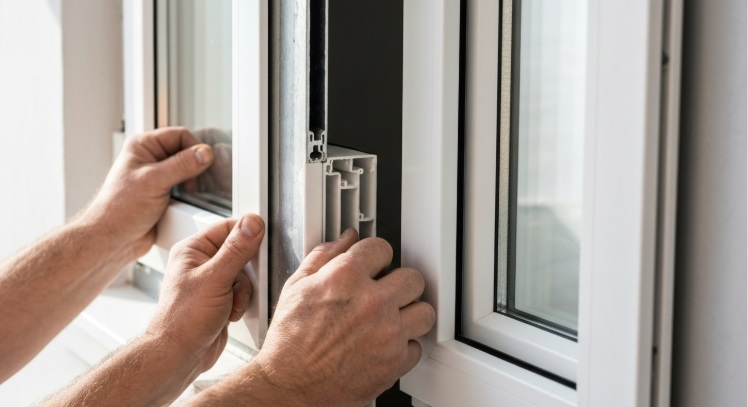
Retrofit and secondary glazing are real options, and for the right home, especially sound timber or a heritage window you cannot alter, they make sense. But for the typical Perth home with single-glazed aluminium, full uPVC replacement is the option that actually solves the problem and usually wins over the life of the home.
A purpose-built uPVC double-glazed window gives you an insulated, galvanised-steel-reinforced frame, a factory-sealed argon-filled unit with toughened glass in builds like 4-20-4 or 4-10-4, modern multi-point locking, child-safety restrictors and fresh seals, all engineered to work together. There is no compromise cavity forced by an old rebate, no metal heat bridge, no original draughts left behind. Perth customers typically report 20 to 35 percent reductions in summer cooling costs after switching, and the frames need only occasional cleaning rather than repainting. When you are ready to compare against your current windows, our guide to replace single glazing with double glazing covers the conversion in full.
It is also the option where doing it once means doing it right. A retrofit leaves you tied to the limits of an ageing frame; a replacement resets the clock on the entire window. For most homeowners planning to stay, that durability is the difference that matters.
What Canon Recommends for Perth Homes
We do not pretend there is one answer for every home, but our recommendation follows the condition and material of your existing frames.- If you have single-glazed aluminium, which is most of Perth, we recommend full uPVC replacement. Glass-only upgrades on aluminium leave the heat bridge and the corrosion risk in place.
- If you have sound, deep timber joinery in a character home and preserving the look is the priority, retrofit can be a sensible path, provided the frames pass a proper condition check.
- If you cannot alter the window at all, for example a heritage listing or a rental, and noise is the main issue, secondary glazing is a reasonable interim step.
- If noise is your number one problem in any home, look at a purpose-built acoustic solution rather than relying on glass alone.
Choosing the Right Window Style When You Replace
One advantage of full replacement that retrofit cannot offer is the freedom to choose a better-suited window style, not just better glass. If you are replacing anyway, match the style to the room.- Awning windows hinge at the top and open outward, suiting bathrooms, kitchens and spots where you want ventilation even in light rain. See our double glazed awning windows for detail.
- Casement windows hinge at the side and open wide, giving the best airflow and a clean look in both character and modern homes.
- Sliding windows run on tracks and are ideal where an outward-opening sash would get in the way, a common choice for narrow side passages.
- Tilt and turn windows are the European dual-action option, tilting in from the top for secure ventilation or swinging fully open, and they sit at the top of the performance range.