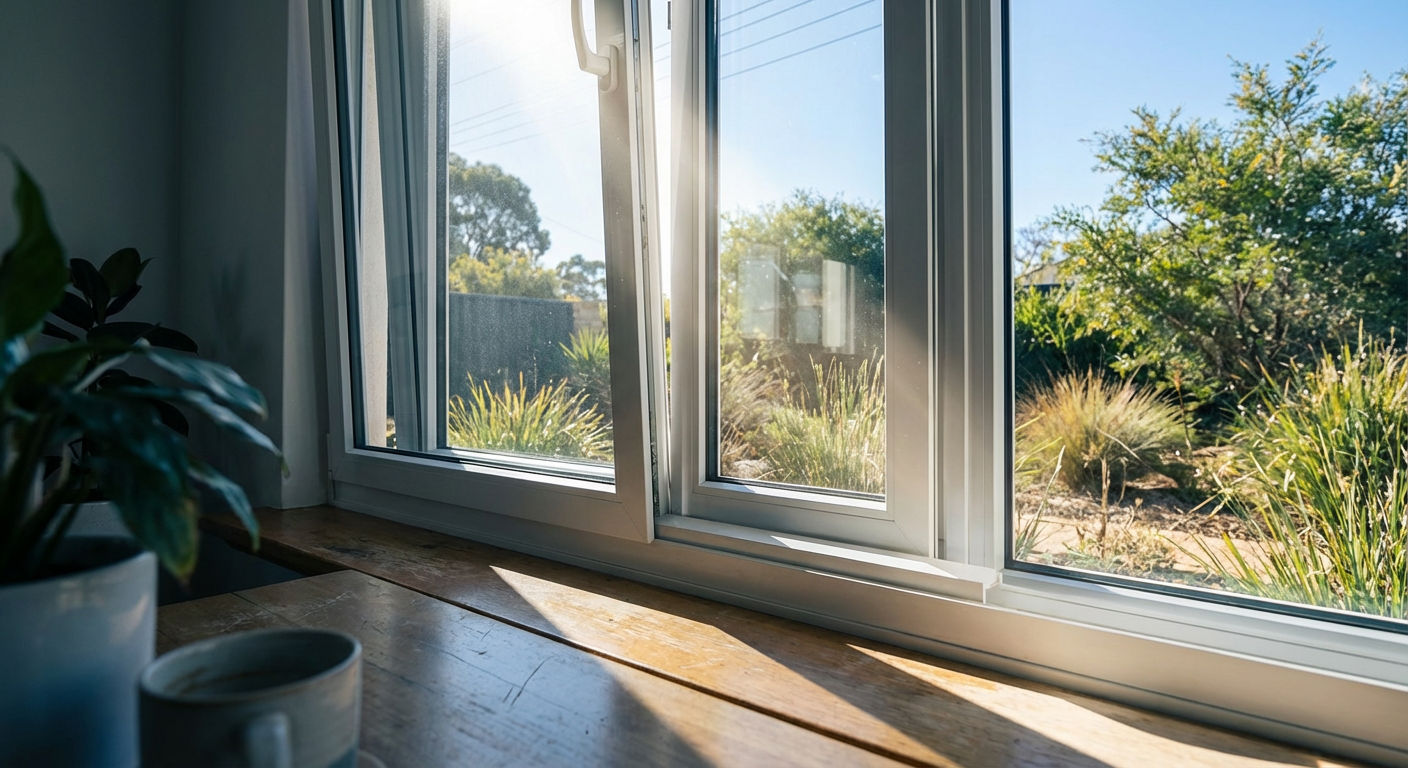
Perth summers are relentless. Weeks of 35°C+ days, intense UV exposure, and hot easterlies test every part of your home — especially your window frames. If you’re weighing up aluminium or uPVC windows, the material you choose will directly impact comfort, energy bills and long-term durability.
At Canon Double Glazing, we’ve installed both aluminium and uPVC windows across WA. In Perth’s climate, the performance gap is clear.
Key Takeaways
- uPVC windows offer superior thermal performance because the material has low thermal conductivity and resists heat transfer in extreme heat.
- Standard aluminium frames absorb and radiate heat, making rooms hotter and increasing air conditioning load.
- Thermally broken aluminium frames improve insulation, but still don’t match the insulation properties of quality uPVC windows.
- uPVC frames are very low maintenance, with strong corrosion resistance in coastal areas exposed to salt air.
- For long-term energy savings and comfort in Australian heat, uPVC consistently delivers better energy efficiency.

Why uPVC Is Superior to Aluminium for Perth Heat
uPVC is superior to aluminium for Perth heat because it insulates against heat transfer, reduces cooling demand and maintains stable indoor temperatures even during extreme heat.
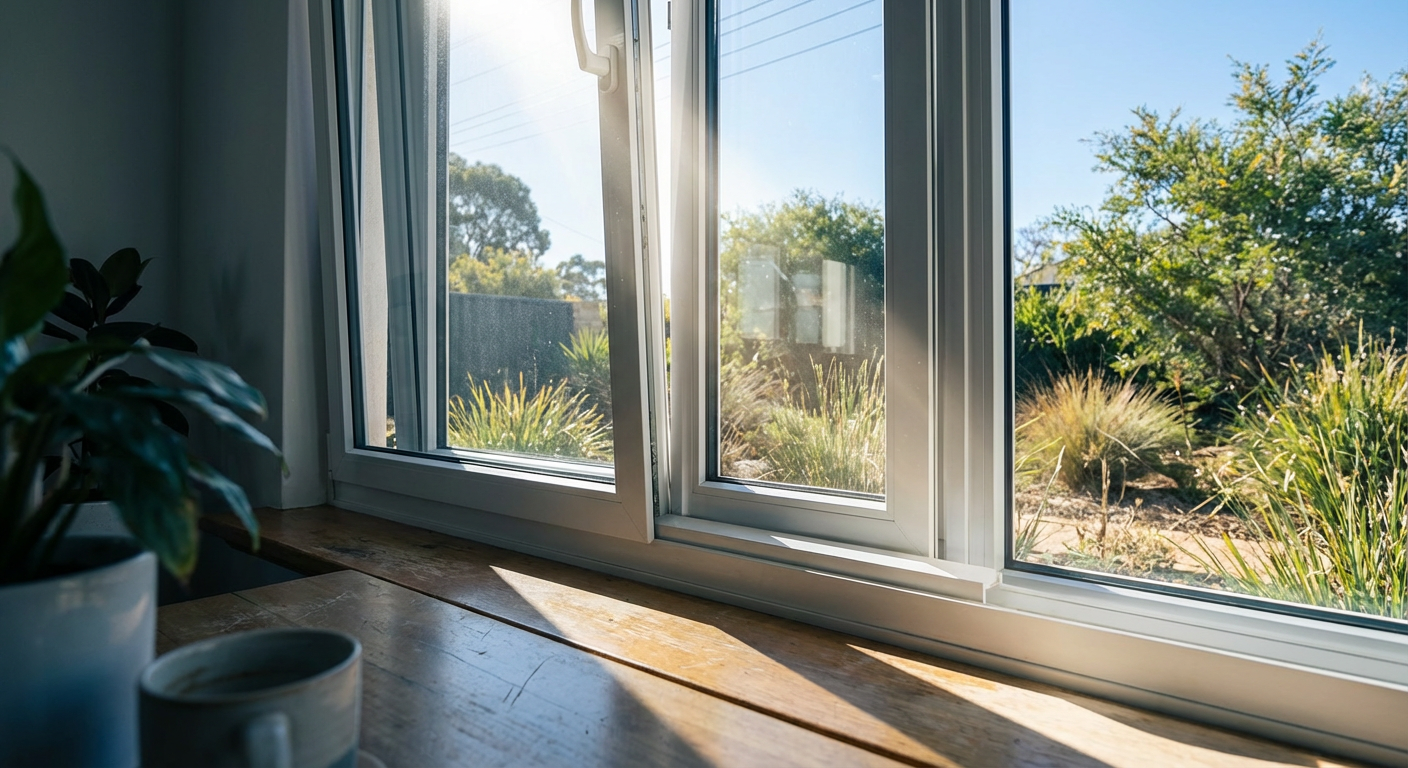
Aluminium is a highly conductive metal. That means standard aluminium frames quickly absorb external heat and transfer it inside. Touch an aluminium window on a 40°C day — it’s often hot to the touch.
uPVC, by contrast, has naturally low thermal conductivity. It doesn’t readily transfer heat from outside to inside. When paired with double glazing, the result is excellent energy efficiency and noticeable reductions in energy costs.
In Perth’s long summers, that difference compounds into real cost savings and improved comfort.
Understanding Heat Transfer in Window Frames
When comparing aluminium vs uPVC, you’re really comparing how each frame material handles heat transfer.
Aluminium Frames: High Conductivity
Aluminium is strong and lightweight. It allows slim frames and thinner frames, which many homeowners like for a premium appearance and more natural light.
But there’s a trade-off.
- Standard aluminium frames conduct heat rapidly
- They radiate stored heat into the room after sunset
- They increase reliance on air conditioning
Even modern aluminium windows without a thermal break struggle in extreme temperatures.
uPVC Frames: Natural Insulation
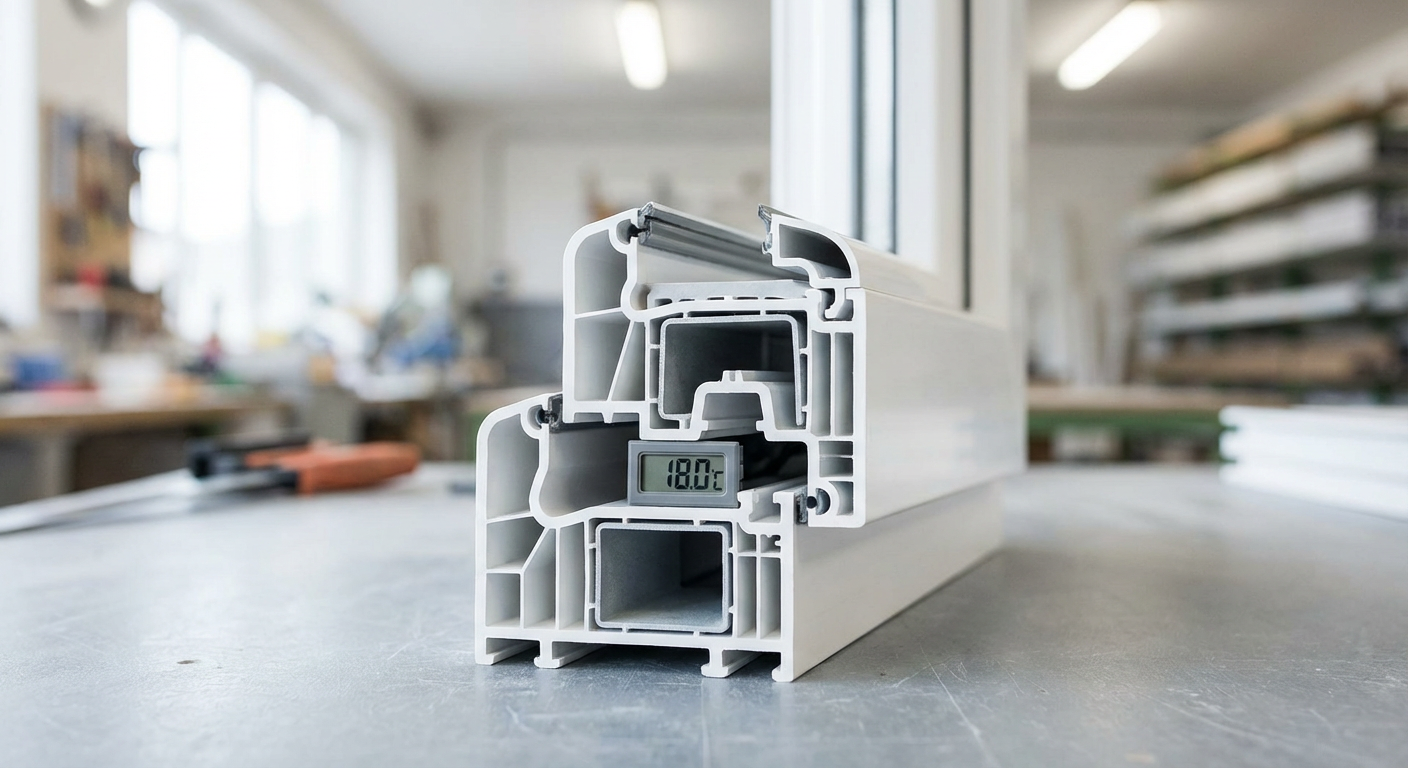
uPVC frames contain internal chambers that trap air. This design enhances their insulating properties and improves overall upvc performance.
Because uPVC has low thermal conductivity, it resists heat movement through the frame. That’s why uPVC windows tend to maintain cooler interiors in Australian heat.
Combined with double glazing, quality uPVC windows create a high-performing window system built for Perth conditions.
What About Thermally Broken Aluminium?
To address aluminium’s weakness, manufacturers developed thermally broken aluminium frames.
A thermal break inserts a non-conductive barrier between interior and exterior aluminium sections. This thermal break technology reduces heat transfer significantly compared to standard aluminium frames.
Thermally broken aluminium is far better than basic aluminium frames. However:
- It still relies on metal components
- It is typically more expensive
- Its thermal performance still trails high quality uPVC
If you’re choosing aluminium and uPVC, thermally broken aluminium is the minimum standard for Perth — but it rarely delivers the same insulation properties as uPVC.
Energy Efficiency and Energy Bills in Perth Homes
Cooling costs are a major household expense in WA. With prolonged extreme heat, windows become critical to managing energy bills.
uPVC windows with double glazing provide: :
- Excellent energy efficiency
- Reduced cooling load
- Lower peak energy demand
- Consistent indoor comfort
In our installations across Perth coastal environments and inland suburbs, homeowners often report noticeable energy savings within the first summer. .
When comparing aluminium vs upvc, the difference in energy efficiency becomes especially visible in west-facing rooms exposed to harsh afternoon sun.
Maintenance in Coastal Areas
Perth homes — especially in coastal areas — often benefit from upgrading old windows to double glazing to better handle salt exposure and UV exposure. .
Aluminium and Salt Build Up
Aluminium frames in coastal salt air can experience:
- Salt build up
- Surface corrosion
- Pitting over time
- Need for regular cleaning
While aluminium has reasonable corrosion resistance, it still requires occasional maintenance and often more regular cleaning in coastal environments.
uPVC: Minimal Upkeep
uPVC and aluminium differ sharply here.
uPVC frames:
- Do not corrode
- Do not require repainting
- Resist UV exposure
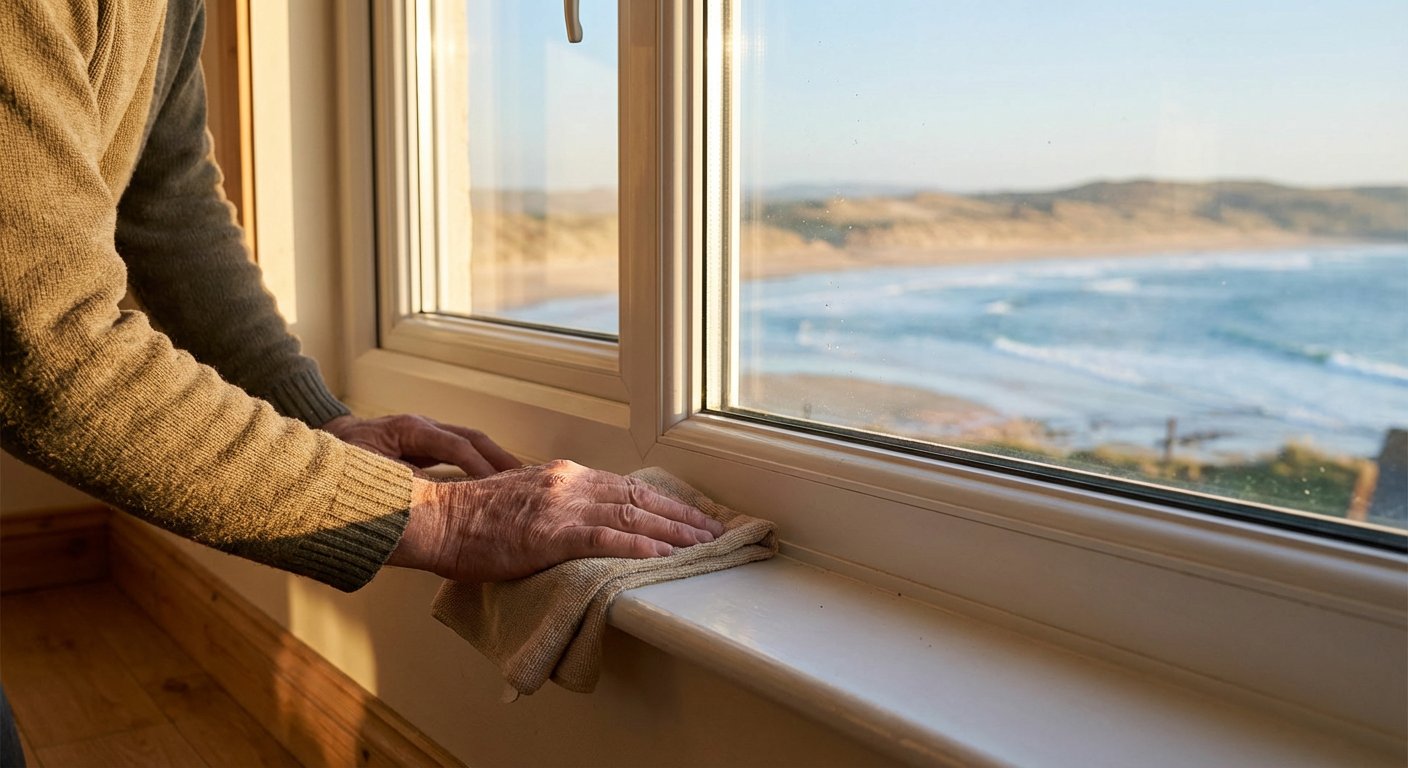
- Need only occasional cleaning with a damp cloth
High quality uPVC offers very low maintenance and minimal upkeep, even in harsh coastal areas. .
Unlike uPVC, aluminium often requires occasional maintenance to preserve its finish.
Structural Integrity and Design Flexibility
One area where people often choose aluminium is for slim frames and large glass panels.
Modern aluminium windows can support:
- Larger window openings
- Large glass panels
- Thinner frames
- Contemporary architectural styles
Aluminium provides excellent structural support for expansive glazing.
uPVC and aluminium both offer durable frames, but aluminium can allow more extreme spans. That said, for most residential homes in Perth, quality uPVC provides more than adequate structural integrity.
If your design prioritises oversized feature glazing, you may choose aluminium. For everyday residential builds, both uPVC and thermally broken aluminium can perform structurally.
Double Glazing: The Real Performance Multiplier
Whether comparing aluminium and uPVC windows or aluminium vs upvc more broadly, double glazing changes the equation.
Double glazing:
- Improves noise reduction
- Enhances insulation
- Reduces heat gain
- Improves energy efficiency
However, pairing double glazing with standard aluminium frames undermines performance. The glass may insulate well, but the frame material still conducts heat, which is why many homeowners choose to convert single glazed windows and doors to full double glazing. .
For maximum superior thermal performance, double glazing should be installed within quality uPVC frames to minimise condensation issues. .
Professional installation also plays a critical role. Even the best building materials underperform if poorly fitted.
Cost Comparison: Short-Term vs Long-Term
Upfront pricing between aluminium and upvc varies depending on specification.
Standard aluminium frames are usually cheaper initially.
Thermally broken aluminium is significantly more expensive.
High quality uPVC sits competitively between them — often delivering stronger cost effectiveness over time.
When factoring in:
- Energy savings
- Reduced energy costs
- Minimal maintenance
- Long lifespan
- No need to repaint
uPVC often delivers better long-term cost savings.
A true cost comparison must include lifetime performance, not just purchase price.
Aluminium vs uPVC: Which Should You Choose in Perth?
If your priority is:
- Premium appearance
- Ultra slim frames
- Industrial aesthetic
- Very large spans
You may choose aluminium.
If your priority is:
- Excellent energy efficiency
- Comfort in extreme temperatures
- Low maintenance
- Cost effectiveness
- Protection from extreme heat
- Lower energy bills
uPVC is typically the right windows solution for Perth homes looking for proven double glazing performance. .
In the aluminium vs uPVC debate, Perth’s climate makes insulation the decisive factor.
Final Verdict: Why uPVC Is Superior to Aluminium for Perth Heat
Perth’s harsh summers demand a window system designed for extreme heat, not mild climates.
While thermally broken aluminium has improved significantly, uPVC and aluminium are not equal in thermal performance. uPVC’s low thermal conductivity, strong insulation properties and compatibility with double glazing give it a clear edge.
For homeowners comparing aluminium or uPVC windows, the decision often comes down to long-term comfort and energy costs versus aesthetic preference.
In Perth conditions — particularly in coastal areas exposed to salt exposure and intense Australian heat — quality uPVC consistently delivers superior thermal performance, lower maintenance demands and measurable cost savings.
If you’re investing in new windows, choosing the right frame material is not just about looks. It’s about building a cooler, quieter, more energy efficient home that performs year after year, with options such as uPVC double glazed awning windows for added performance. .