Upgrading to double glazing is one of the most effective ways to improve comfort, reduce noise, and lower energy bills. Still, many homeowners feel unsure about what actually happens on installation day.
If you’re wondering what to expect during your double glazing installation, this guide walks you through the full process—from preparation to final checks—so there are no surprises.
Key Takeaways
- Most double glazing installations are completed within one to two days
- Professional installation minimises disruption and protects your home
- Correct sealing and alignment are critical for energy efficiency and security
- Once installed, double-glazed windows immediately improve comfort and reduce noise
Before Installation Day: Preparation and Assessment
Before installers arrive, your supplier will have already measured each window opening and ordered custom double glazed units. These units are manufactured to precise tolerances to ensure the window frame fits securely and performs efficiently.
At this stage, installers will confirm:
- Whether they are replacing an existing window or upgrading single glazing
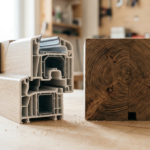
- Frame type, such as uPVC frames, aluminium, or timber frames
- Any access considerations around doors, sliding openings, flooring, or furniture
Although installing double glazing has an initial cost, accurate preparation is what makes the upgrade cost effective in the long term.
Step 1: Removing the Existing Window
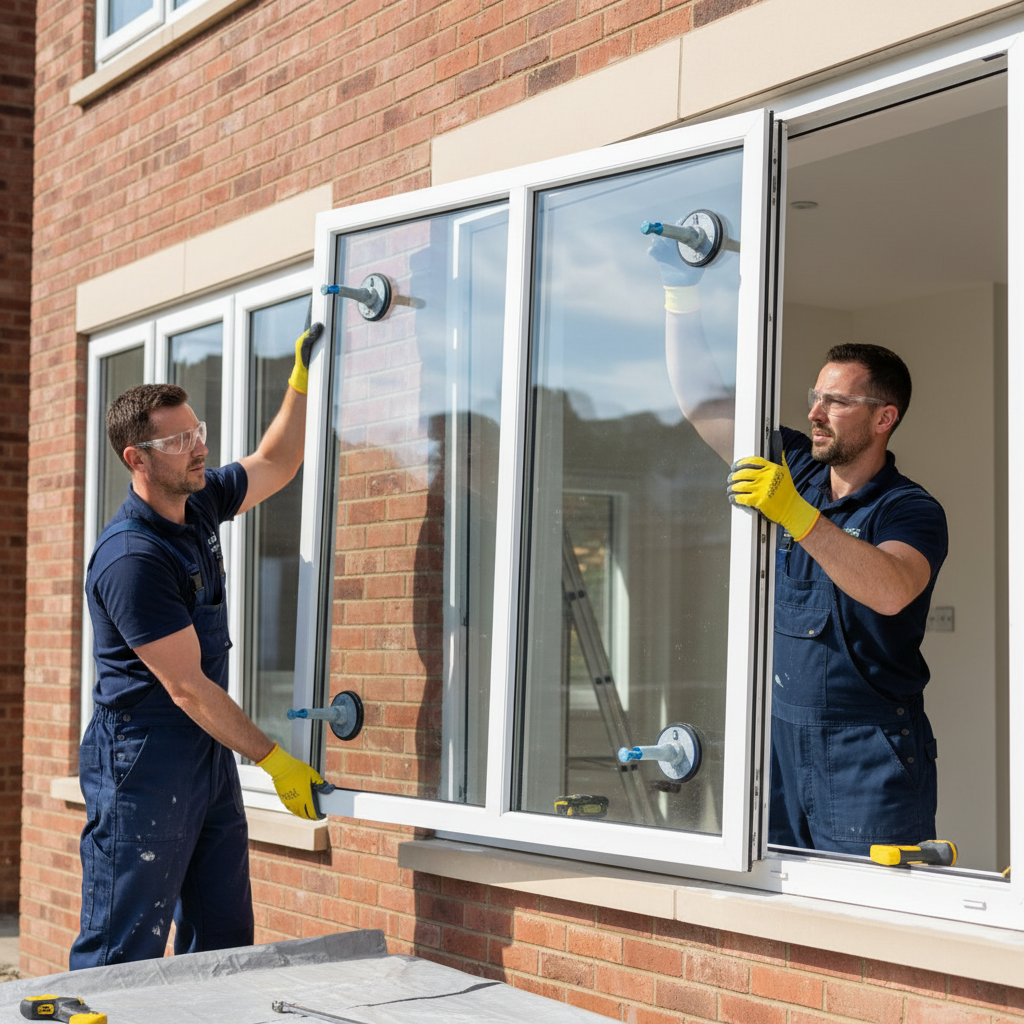
On installation day, the team starts by carefully removing the existing window or old single pane windows. This step is done methodically to avoid damage to walls, trim, or surrounding frame materials.
If your home has older timber or aluminium frames, extra care is taken to protect the structure and ensure a clean edge for the new unit.
This part of the process can be time consuming, but it’s essential for achieving the highest standards of fit and performance.
Step 2: Preparing the Window Frame
Once the old glass and frame components are removed, installers inspect the window frame opening. Any debris, old sealant, or uneven surfaces are cleaned away.
This preparation ensures:
- A tight seal against air leaks
- Proper alignment of the new frame
- Long-term insulation performance
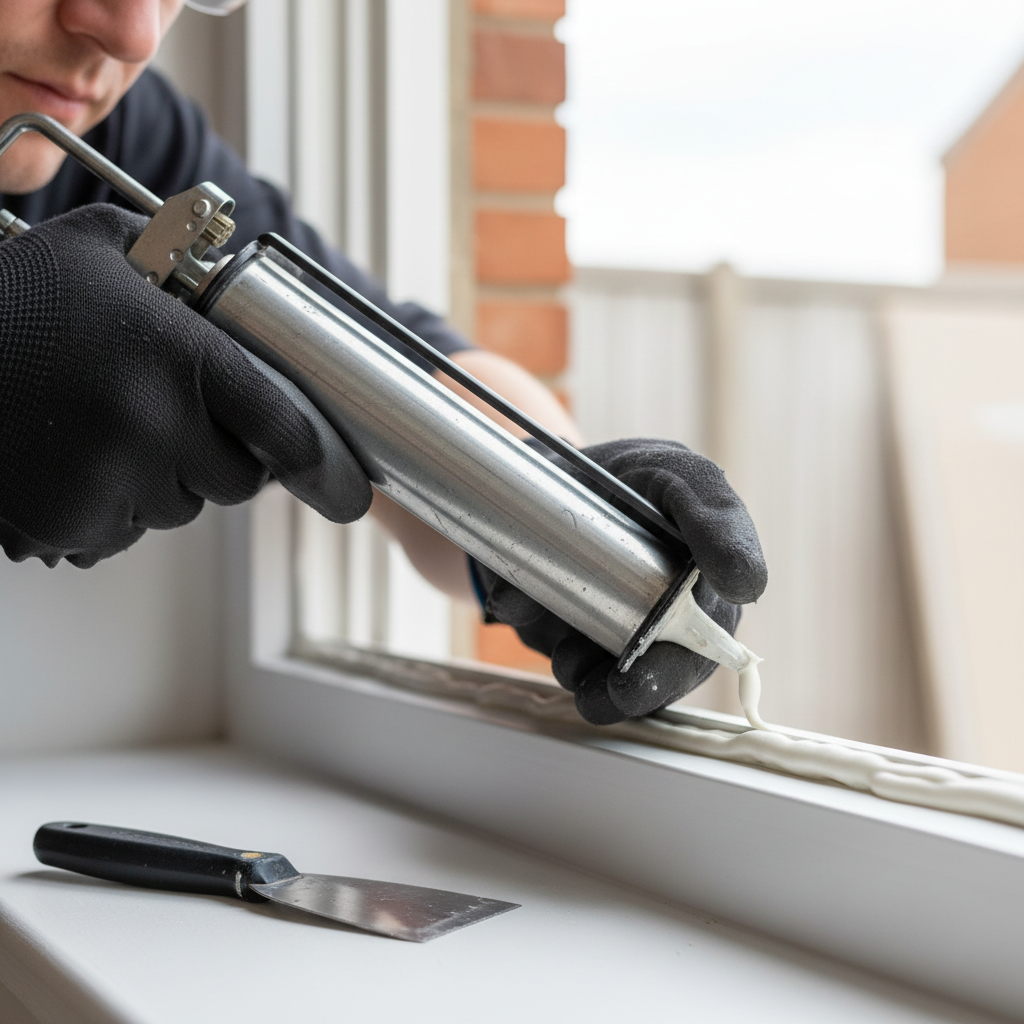
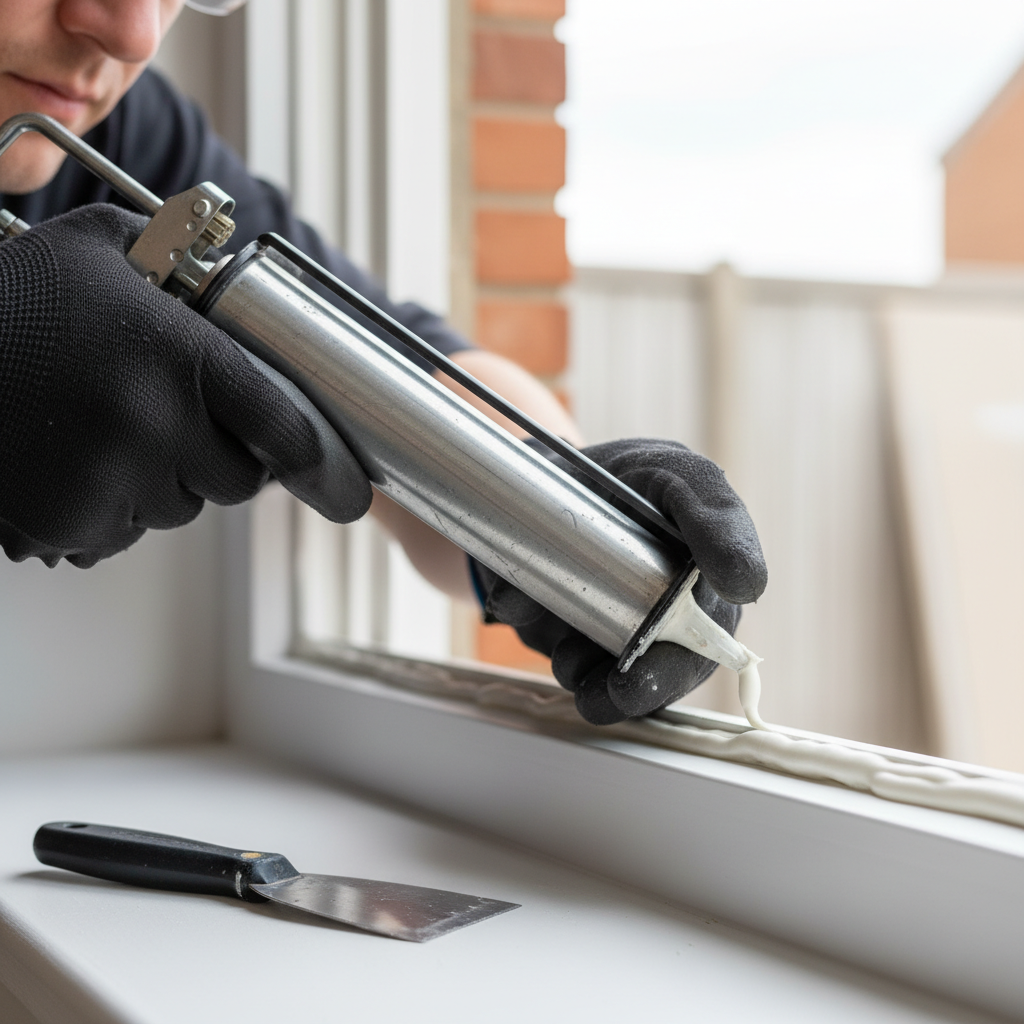
At this stage, installers may apply a continuous bead of silicone sealant to create an airtight barrier. Tools like a putty knife are commonly used to smooth edges and prepare surfaces.
Step 3: Installing the Double Glazed Units
The new double glazed units are then carefully positioned into place. Each unit contains two panes of glass separated by a sealed gap, creating an additional layer of insulation compared to single glazing. For information about how we handle your data, please see our Privacy Policy.
Installers check that:
- The unit sits square in the frame
- Glass panes are correctly spaced and supported
- Safety glasses are used where required by building standards
Proper installation at this stage is critical for thermal efficiency, security, and durability.
Step 4: Securing, Sealing, and Locking
Once positioned, the unit is secured within the frame. This includes:
- Fixing the frame to structural points
- Applying sealant around the edge to protect against air and moisture
- Installing multi point locking systems for improved security
Correct sealing prevents condensation, reduces heat loss, and protects against high humidity conditions.
At this point, the double glazed awning window is already weather-tight and secure.
Step 5: Final Finishing and Clean-Up
After installation, trims are fitted neatly around the frame to create a clean finish. Installers remove excess sealant, clean the glass, and ensure all moving parts operate smoothly.
You’ll notice immediately that:
- The window feels solid and secure
- Outside noise is reduced
- Air movement around the window is minimised
This step also protects surrounding flooring and interior finishes before the team leaves.
What Changes After Installation?
Once installed, double glazed windows begin working straight away.
Improved Comfort and Efficiency
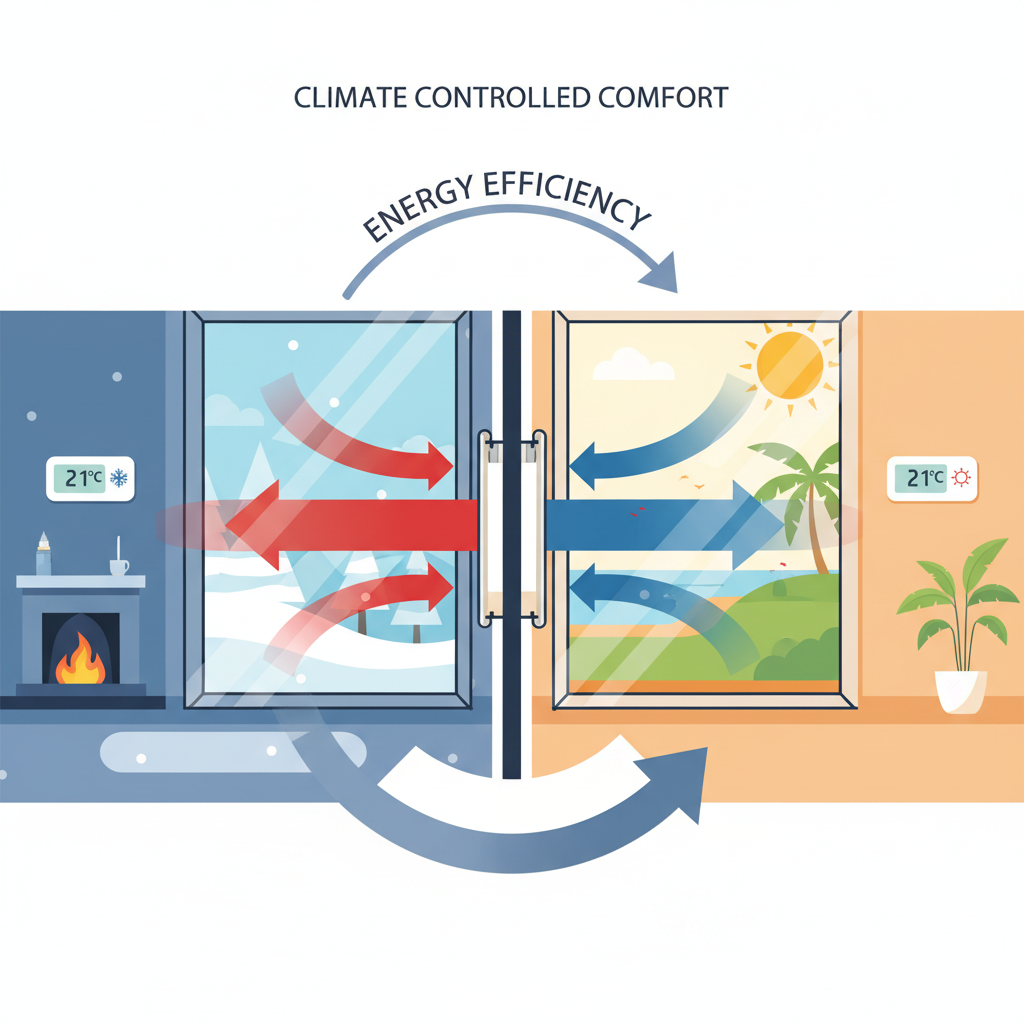
Double glazing improves a home’s energy efficiency by reducing heat transfer. This means:
- Less reliance on air conditioning in summer
- Better heat retention during winter
- Improved energy efficiency and lower energy consumption
Many homeowners notice lower energy bills and fewer temperature swings within days.
Noise Reduction and Security
The combination of glass panes, sealed units, and strong frames helps reduce noise pollution and external noise. Additionally, modern locking systems improve overall security and help protect against break-ins.
How Long Does Installation Take?
Most homes can install double glazing in one to two days, depending on:
- Number of windows and doors
- Whether frames are being replaced or retrofitted
- Access and house layout
Installers work room by room to keep your living space functional during the process.
Is Double Glazing Worth the Cost?
While the upfront cost may seem higher than basic replacements, double glazing offers long-term benefits:
- Improved energy efficiency and energy savings
- Enhanced comfort and reduced noise
- Better insulation and less condensation
- Increased security and durability
Over time, these benefits help offset higher energy bills and ongoing energy costs.
Final Thoughts
Knowing what to expect during your double glazing installation helps you feel confident and prepared. From careful removal of the old window to precise sealing and finishing, every step plays a role in performance.
When installed properly, double glazing is one of the best solutions for improving comfort, efficiency, and security in your house—delivering lasting value for years to come.