When upgrading your windows, one of the first questions Perth homeowners ask is: single glazed vs double glazed windows — which is better?
It’s an important decision. Single glazing has long been the standard in Australian homes, but double glazing has become the modern choice for comfort, efficiency, and sustainability. With rising energy costs, hotter summers, and a growing focus on sustainability, the differences between the two window types are no longer minor — they’re transformative.
This guide from Canon Double Glazing Perth explains the science, costs, and real-world benefits of both systems so you can choose the right solution for your home.
Understanding How Each Window Type Works
What Are Single Glazed Windows?
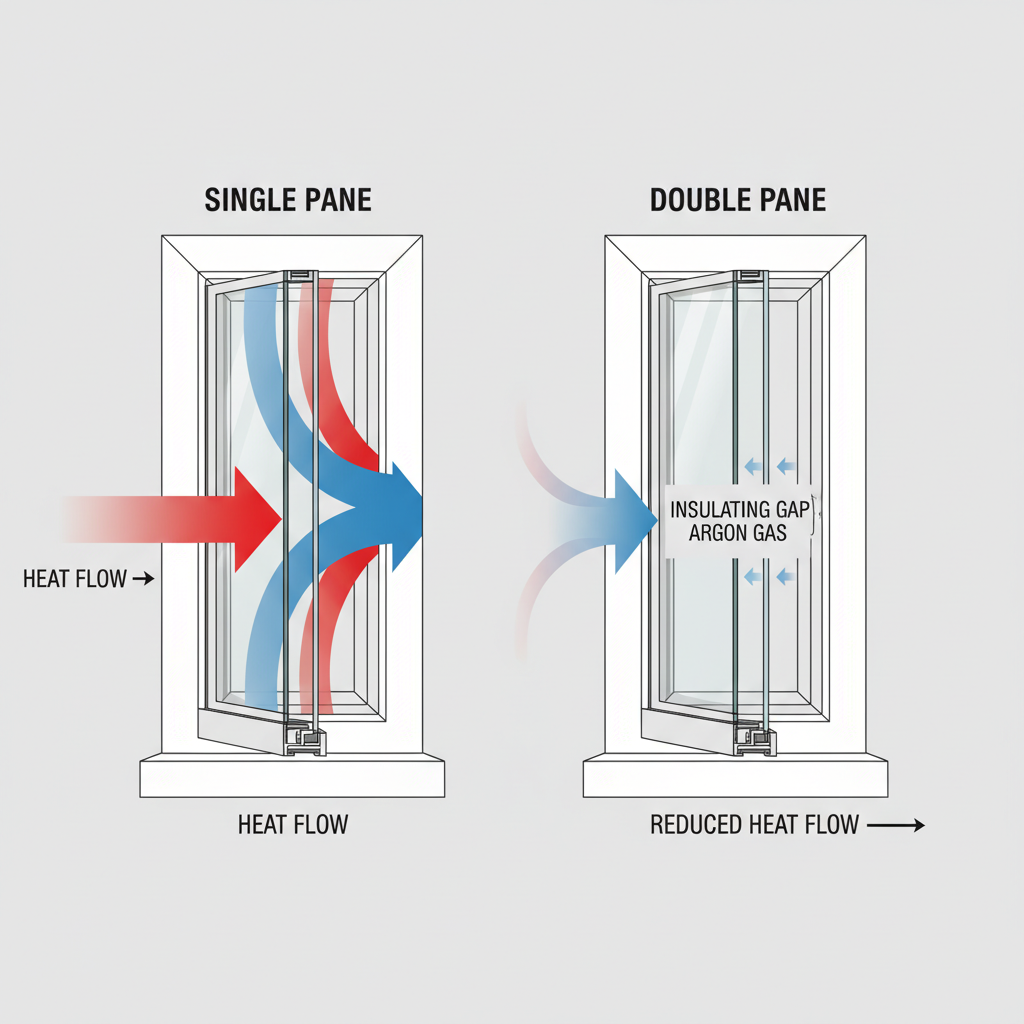
Single glazed windows use one glass pane (or single pane) fitted into a window frame. These traditional windows have no insulating gap, which means heat and cold transfer easily between indoors and outdoors.
They are cheaper upfront, but because they provide almost no thermal insulation, they allow significant heat gain in summer and heat loss in winter. This forces your air conditioning system or heating to work harder, leading to higher energy costs.
What Are Double Glazed Windows?
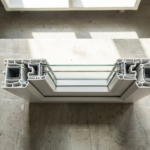
By contrast, double glazed windows consist of two glass panes separated by an insulating gap filled with air or an insulating gas such as argon. This sealed space forms an insulated glass unit (IGU), which serves as a thermal barrier that significantly reduces heat transfer.
Many double glazed windows also use Low-E glass, which reflects infrared heat while allowing visible natural light to pass through. These energy efficient windows maintain better thermal performance and comfort in all seasons.
How Double Glazing Works
The trapped insulating gas and two panes of glass slow down heat flow, minimising solar gain in summer and heat loss in winter. The result is a home that requires less air conditioning and heating, helping to reduce heat gain, improve energy efficiency, and lower energy bills year-round.
Energy Efficiency: The Deciding Factor
Heat Loss and Heat Gain
In Perth’s climate, heat gain through windows is a major problem. Single glazing allows outdoor heat to enter freely, while double glazing with Low-E glass and insulated glazing helps reduce heat from direct sunlight and winter heat gain.
Double glazed windows offer up to 50–70% less heat transfer than single glazed windows, which directly impacts energy consumption and cooling costs.
Measuring Performance: U-Value and SHGC
The Window Energy Rating Scheme (WERS) in Australia uses two main indicators to assess window performance:
- U-Value: measures how much heat passes through the window — lower numbers mean better insulation.
- Solar Heat Gain Coefficient (SHGC): indicates how much solar radiation passes through — lower values mean less solar gain.
Typical single glazing has a U-Value of around 6.0, while standard double glazing can achieve as low as 2.0 — a substantial difference in thermal insulation.
Energy Savings and Long-Term Value
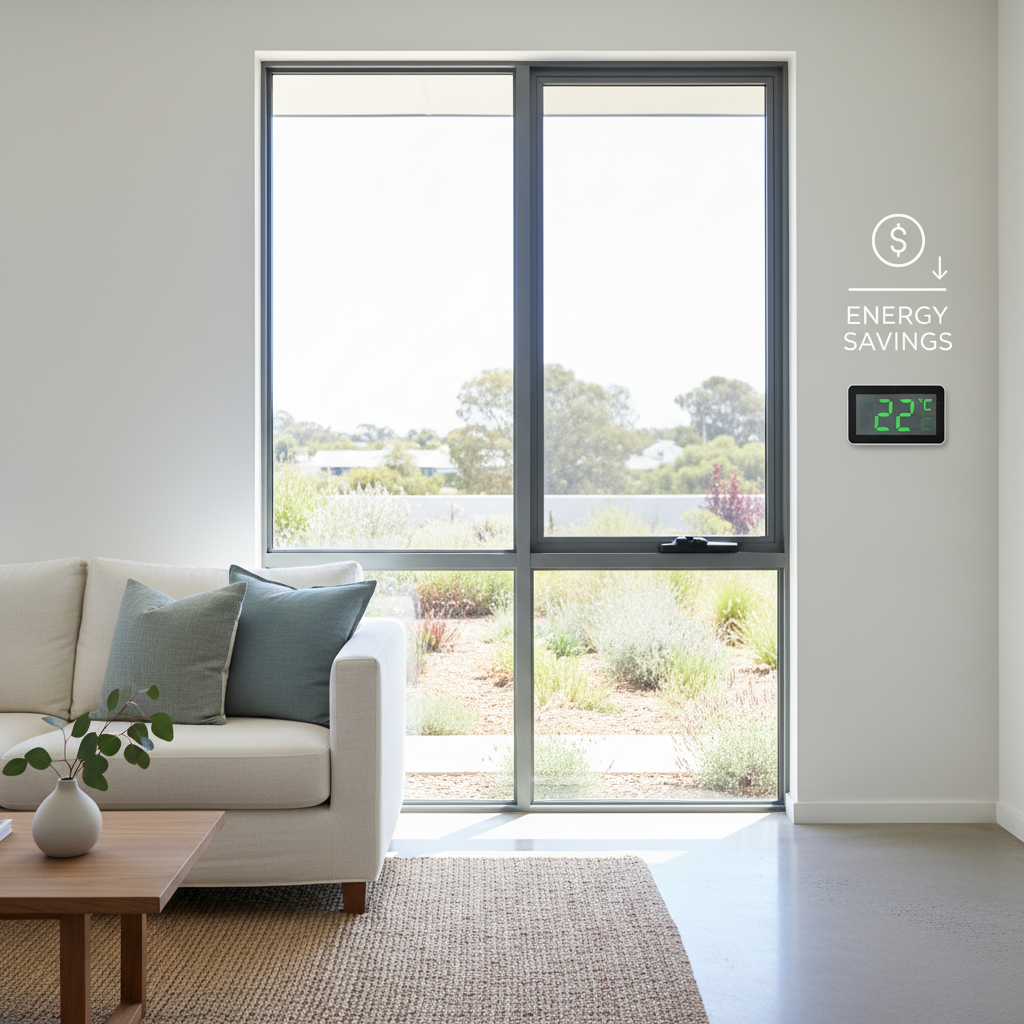
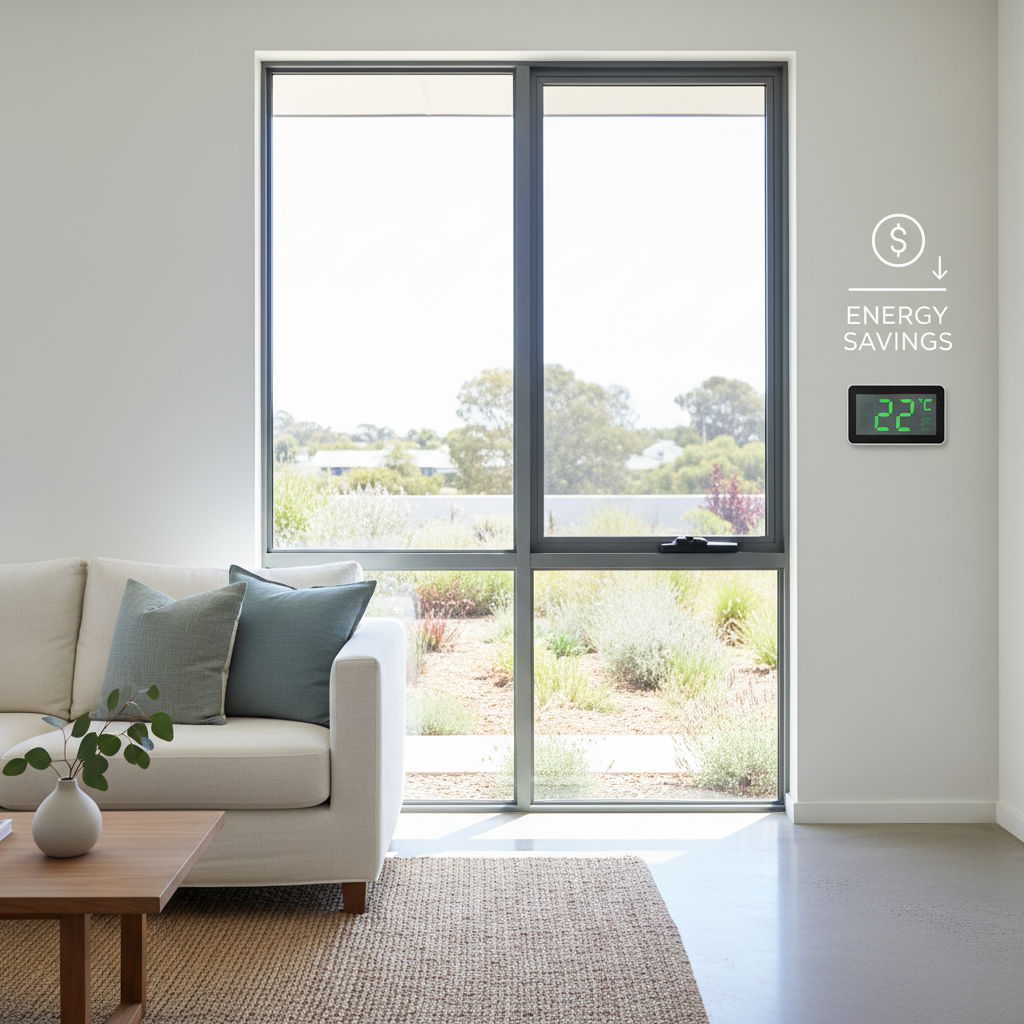
Over time, double glazing pays for itself through energy savings and reduced energy consumption. Perth homeowners often see noticeable drops in cooling costs during summer and energy bills across the year.
By improving your home’s energy efficiency, double glazing also contributes to a lower carbon footprint, aligning with Perth’s shift toward sustainable living and higher building performance standards.
Comfort, Health, and Liveability
Temperature Regulation and Thermal Performance
Because of its superior insulation properties, double glazing maintains a more comfortable temperature indoors, even during Perth’s 40-degree summers or cooler winter mornings.
Single glazing, on the other hand, allows rooms to overheat quickly, creating hot and cold spots that lead to discomfort and increased reliance on cooling systems.
Noise Reduction and Sound Insulation
Double glazing also provides exceptional noise reduction. The two glass panes and air space buffer sound vibrations, offering up to 40 decibels of sound insulation compared to single glazing, which barely dampens outside noise.
For Perth suburbs near busy roads, schools, or coastal traffic, this improvement in noise reduction can dramatically enhance liveability.
Condensation and Indoor Air Quality
Single glazing tends to develop condensation when warm indoor air meets cold surfaces. Double glazing minimises this by maintaining an internal glass temperature closer to room conditions, reducing moisture and the growth of mould or mildew.
The result: cleaner air, healthier interiors, and less maintenance.
Comparing Costs and Return on Investment
Upfront Cost vs Long-Term Savings
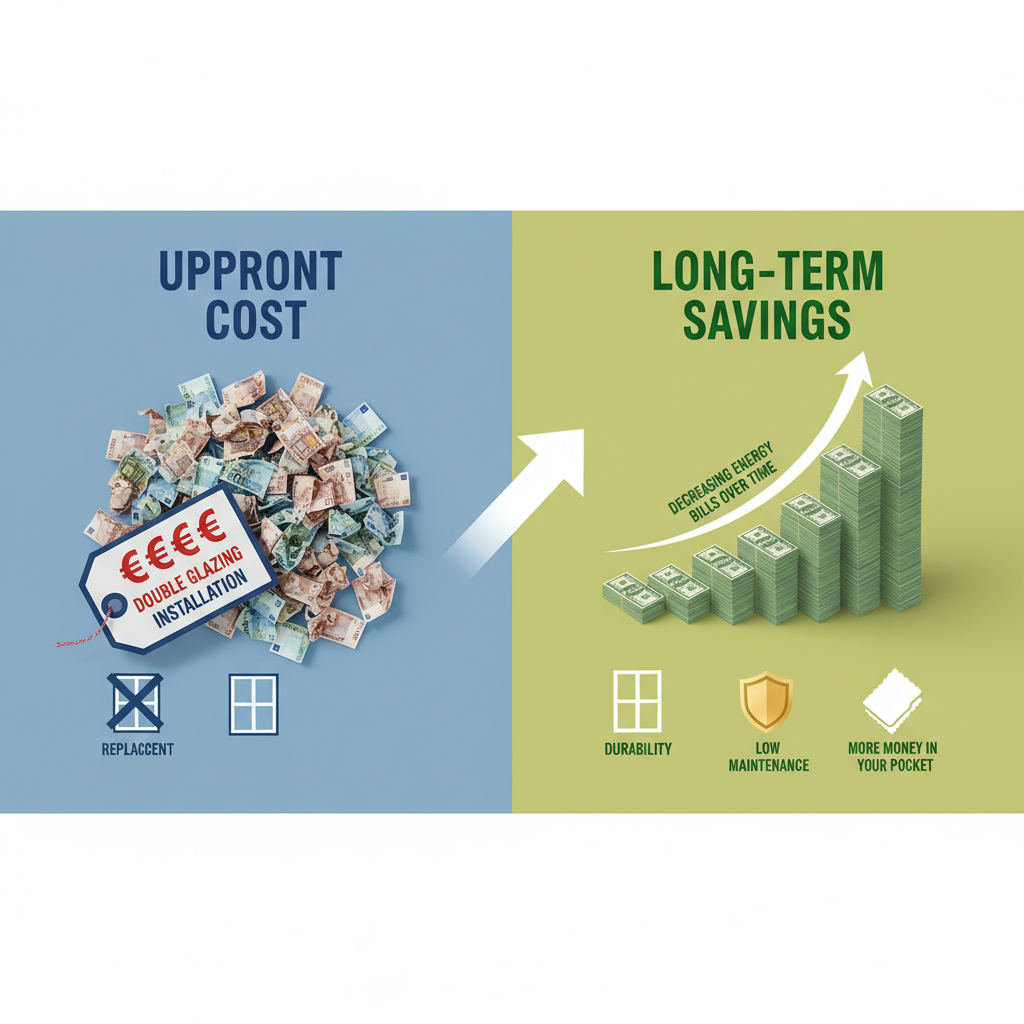
Yes, double glazed windows require a higher initial investment than single glazed options, but the long-term benefits easily outweigh the cost.
Energy savings, lower energy bills, and increased comfort quickly offset the price difference — especially as Perth’s energy costs continue to rise.
In many cases, the savings on air conditioning and heating alone cover the investment within a few years.
Durability and Maintenance
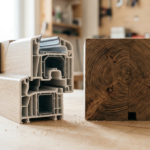
Double glazing systems last significantly longer due to sealed insulated glass units and corrosion-resistant frame materials such as UPVC or thermally broken aluminium frames. They require minimal upkeep compared to older single glazed windows with timber frames that deteriorate over time.
Environmental Impact and Sustainability
Lower Carbon Footprint
By reducing energy consumption, double glazing cuts greenhouse gas emissions and supports sustainable home design. The combination of insulating gas, two panes, and Low-E glass helps maintain energy balance naturally.
Passive Design and Perth’s Climate
In Perth’s cold climates during winter and high-heat summers, double glazing aligns perfectly with passive design principles. When paired with proper shading and thermally broken frames, it enhances thermal performance while allowing natural light and fresh air circulation.
Even older homes with existing windows can benefit through secondary glazing, where an additional glass pane is fitted to create an insulating gap without replacing the entire frame.
Noise, Comfort, and Lifestyle
A Quieter, Calmer Home
Perth’s rapid urban growth means more background noise than ever before. Double glazing offers exceptional sound insulation, turning homes near traffic corridors or airports into peaceful retreats.
By contrast, single glazing allows even minor sounds — conversations, birds, cars — to pass through. For families or professionals working from home, the difference in sound insulation is instantly noticeable.
Year-Round Comfort
Many double glazed windows also integrate advanced seals that block draughts and stabilise internal air quality, improving both comfort and health. The result is a more stable, comfortable living space with consistent energy use throughout the year.
Light, Ventilation, and Aesthetics
Maintaining Natural Light
A common myth is that double glazing darkens rooms. In reality, energy efficient double glazing allows ample natural light while filtering UV radiation.
Glazed windows and doors remain bright and inviting — ideal for Perth’s sunlight-rich environment.
Ventilation Options
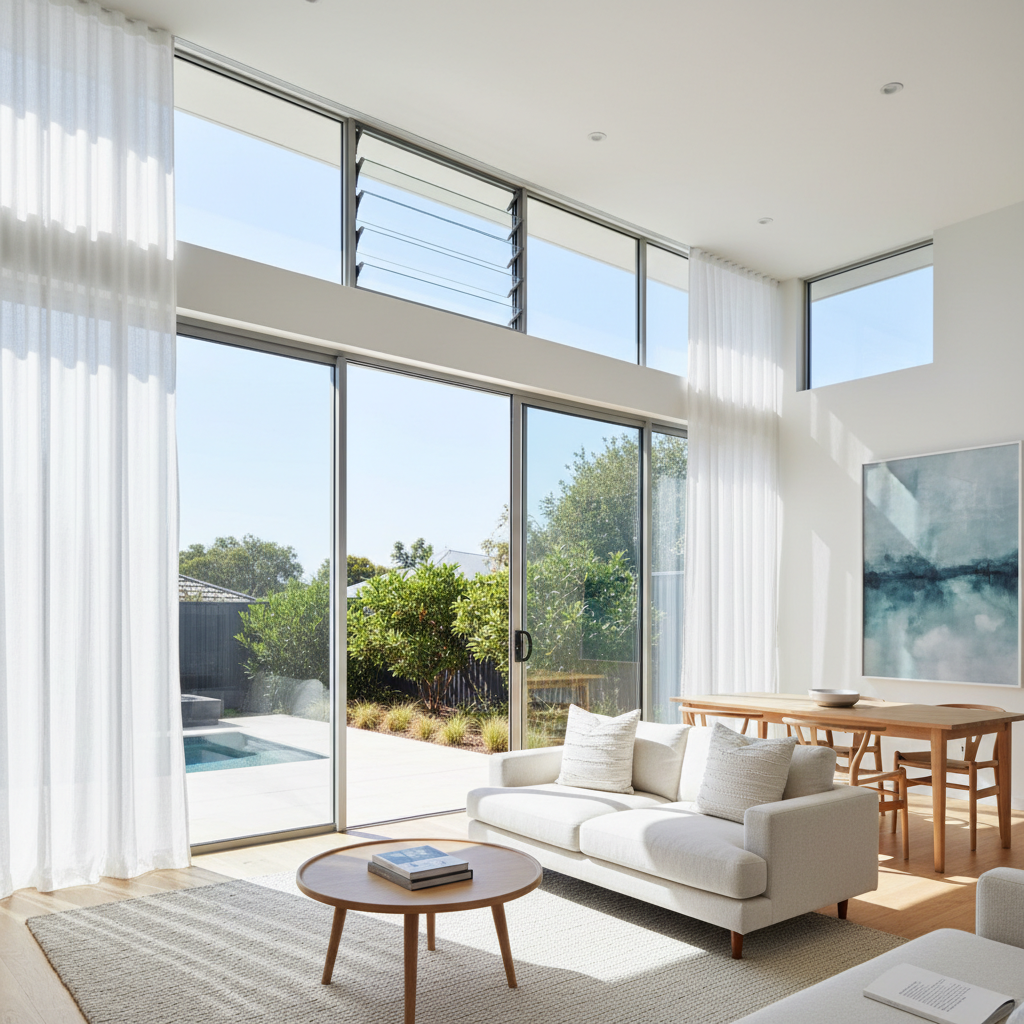
For natural ventilation, homeowners can choose designs with glass louvres, awning, or sliding configurations. Glass louvres offer adjustable airflow without compromising on insulation or energy efficiency, helping balance fresh air and comfort.
Comparing Performance: Single vs Double Glazing
| Feature | Single Glazing | Double Glazing |
|---|---|---|
| Glass Layers | One | Two glass panes |
| Insulating Gap | None | Air or gas-filled insulating gap |
| Heat Transfer | High | Significantly reduces heat transfer |
| Thermal Insulation | Poor | Excellent |
| Noise Reduction | Minimal | Strong |
| Condensation Resistance | Low | High |
| Energy Efficiency | Low | High |
| Cooling & Heating Costs | High | Reduced |
| Durability | Moderate | Long-lasting |
| Comfort | Inconsistent | Year-round stable |
| Environmental Impact | High energy consumption | Low carbon footprint |
Verdict: In Perth’s conditions, double glazing delivers superior insulation properties, better comfort, and lasting energy savings. While single glazing may be cheaper upfront, it leads to higher energy costs and reduced long-term performance.
Upgrading Existing Windows
Many Perth homeowners think they must replace all existing window frames to enjoy double glazing — not necessarily.
Secondary glazing or retrofitting allows an additional glass pane to be added to current frames, creating an insulated glazing effect. This improves energy efficiency, noise reduction, and thermal performance without full replacement.
For heritage or coastal homes, this is often the most energy efficient option for modernising single glazing affordably.
Canon Double Glazing Perth — Local Expertise You Can Trust
Canon Double Glazing has installed thousands of double glazed windows and doors across Perth and regional Western Australia.
With products manufactured to Australian standards, sealed insulated glass units, and professional installers, Canon delivers true craftsmanship with measurable results:
- Reduced cooling costs and energy bills
- Quieter, more comfortable interiors
- Increased property value
- Proven durability in Perth’s climate
Whether upgrading existing windows or building new, Canon’s expertise ensures every installation meets the highest standard of thermal performance and aesthetics.
Frequently Asked Questions
Is double glazing better than single glazing?
Yes. Double glazed windows offer stronger thermal insulation, lower energy consumption, and greater noise reduction than single glazing.
Can double glazing be installed into existing window frames?
Often yes. Secondary glazing allows for insulating glass units to be added without removing frames.
Does double glazing reduce heat in summer?
Yes, it helps reduce heat gain from direct sunlight, keeping your home cooler.
What about cold winters?
In cold climates, double glazing prevents heat loss, keeping your home warmer and more comfortable.
Is double glazing worth the investment?
Absolutely. Although more expensive initially, the energy savings, comfort, and increased property value make it a long-term benefit for Perth homes.
Conclusion
So — single glazed vs double glazed windows: which is better?
For Perth’s climate, the answer is clear. Double glazing delivers better thermal insulation, lower energy costs, and superior sound insulation, while improving your home’s energy efficiency and comfort.
While single glazing may appear cheaper upfront, the ongoing energy bills, cooling costs, and lost comfort make it a short-term choice.
For the best results, speak to Canon Double Glazing Perth — the trusted local experts in energy efficient glazing, windows, and doors designed for Western Australia’s lifestyle and environment.